
Silica Flour Grinding
Silica Flour Grinding
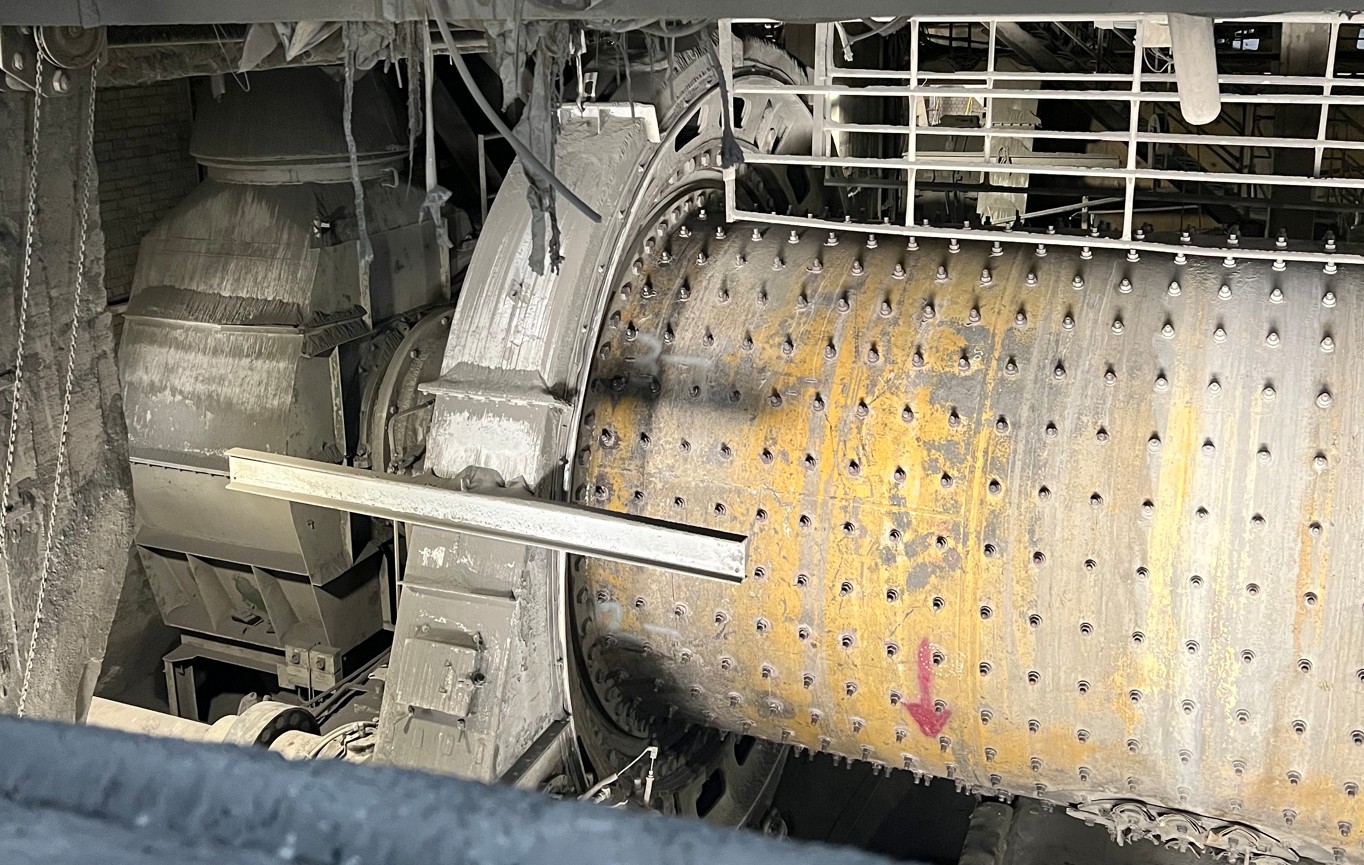
Silica flour grinding is used to produce finely ground silica for applications such as glass, ceramics, foundry materials, construction products, fillers, and specialist industrial uses. Particle size distribution is one of the most important quality parameters because it affects reactivity, packing density, surface finish, and product performance.
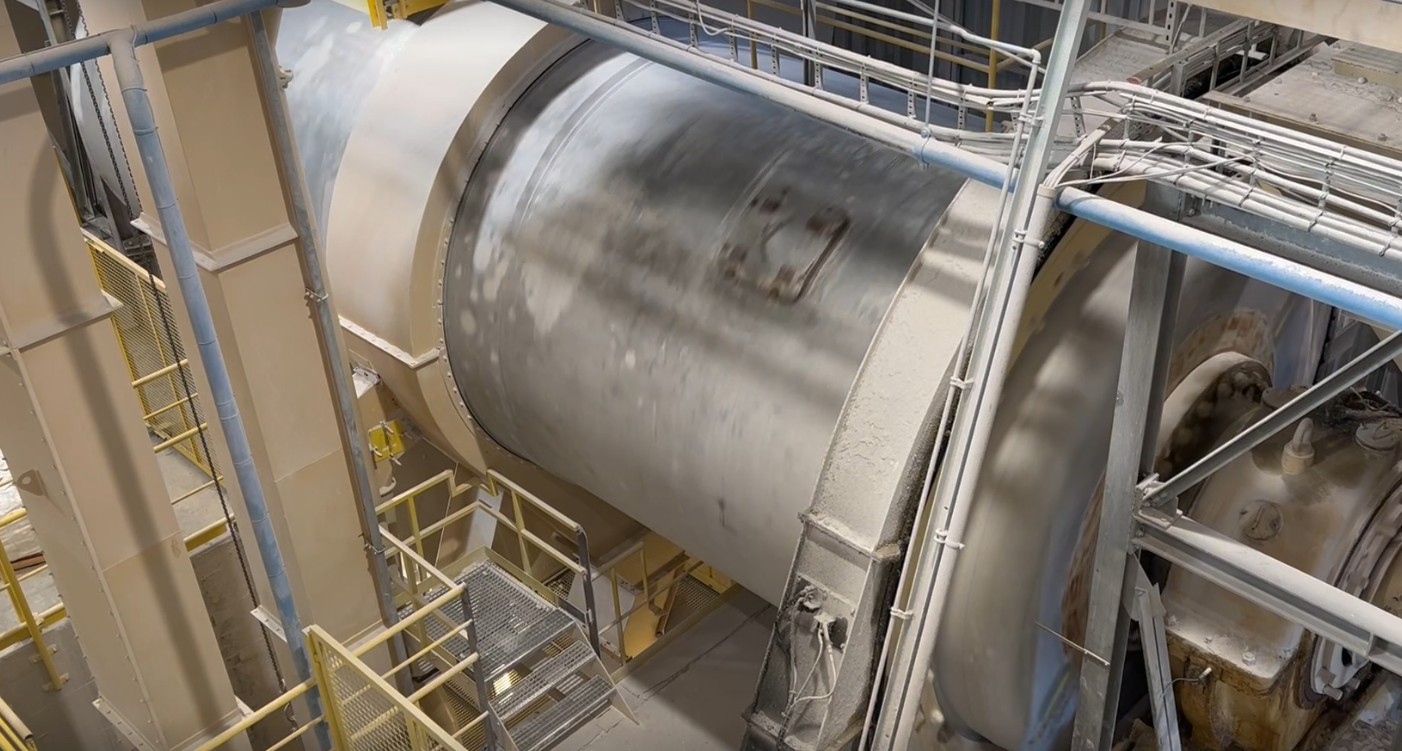
Silica is typically hard and abrasive, making grinding energy-intensive and equipment wear a major consideration. Feed variability, moisture, mineral purity, and mill condition can all influence final product fineness.
Traditional silica flour quality control usually depends on periodic laboratory particle size analysis. While accurate, these measurements are delayed and provide limited visibility between samples.
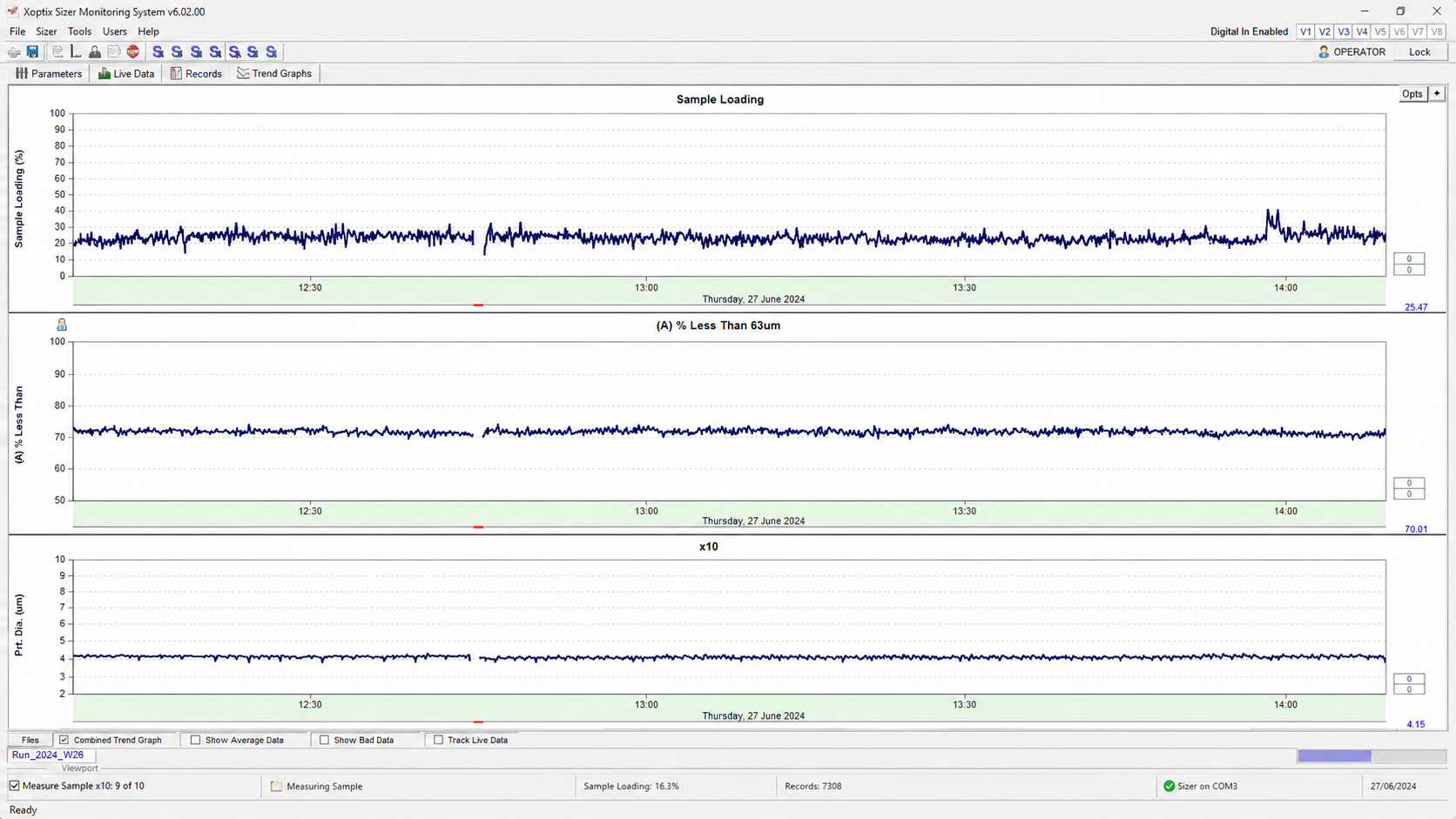
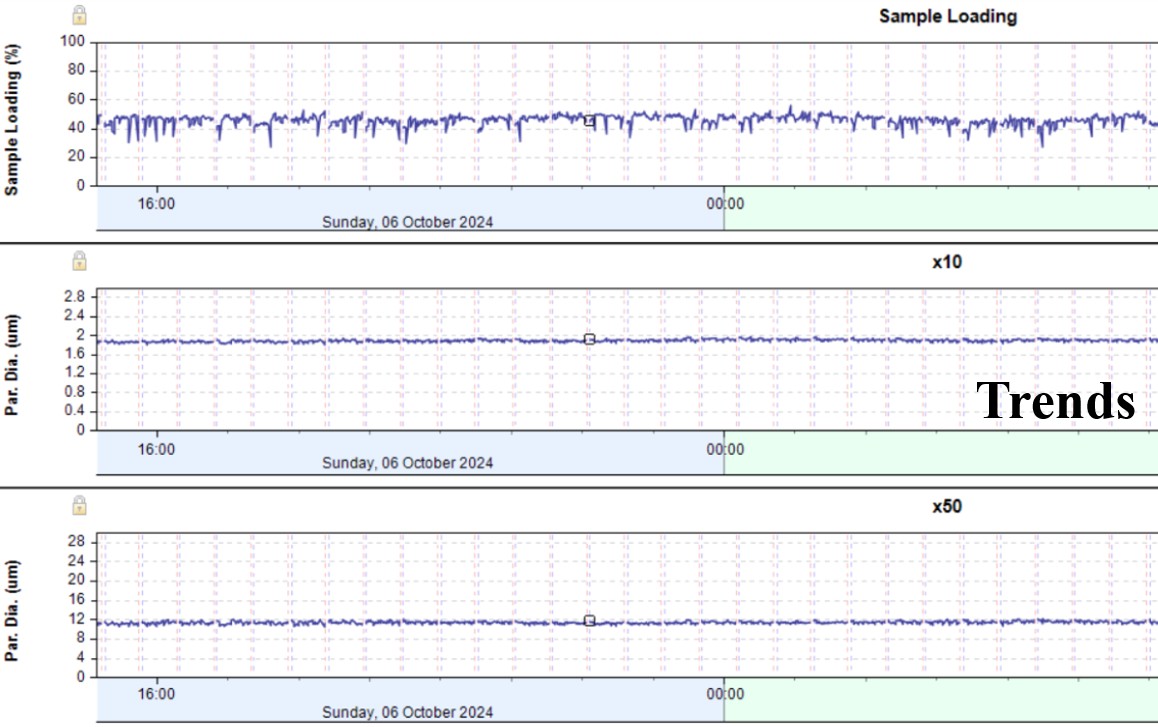
Xoptix provides continuous real-time PSD measurement from the grinding or classification process. Operators can monitor product fineness continuously and identify changes before they affect customer specifications.
In silica flour production, both coarse contamination and excessive fines can create quality issues. Coarse particles may affect performance in end-use applications, while overgrinding increases energy consumption and may reduce process efficiency.
Real-time PSD monitoring allows plants to maintain a tighter product specification and reduce the risk of off-specification material. This is especially valuable for high-value grades with strict customer requirements.
Continuous PSD data can also be used to optimise classifier settings, feed rate, airflow, and grinding conditions. This helps reduce energy consumption and improve process stability.
With Xoptix, silica flour producers can improve product consistency, reduce manual sampling, lower production costs, increase confidence in specification compliance, and operate grinding circuits more efficiently.