
Metal Powder Processing
Metal Powder Processing
Metal powder processing requires precise control of particle size distribution because PSD strongly affects flowability, packing density, sintering behaviour, surface area, reactivity, and final product performance. Applications include powder metallurgy, additive manufacturing, thermal spraying, battery materials, catalysts, and specialist industrial powders.
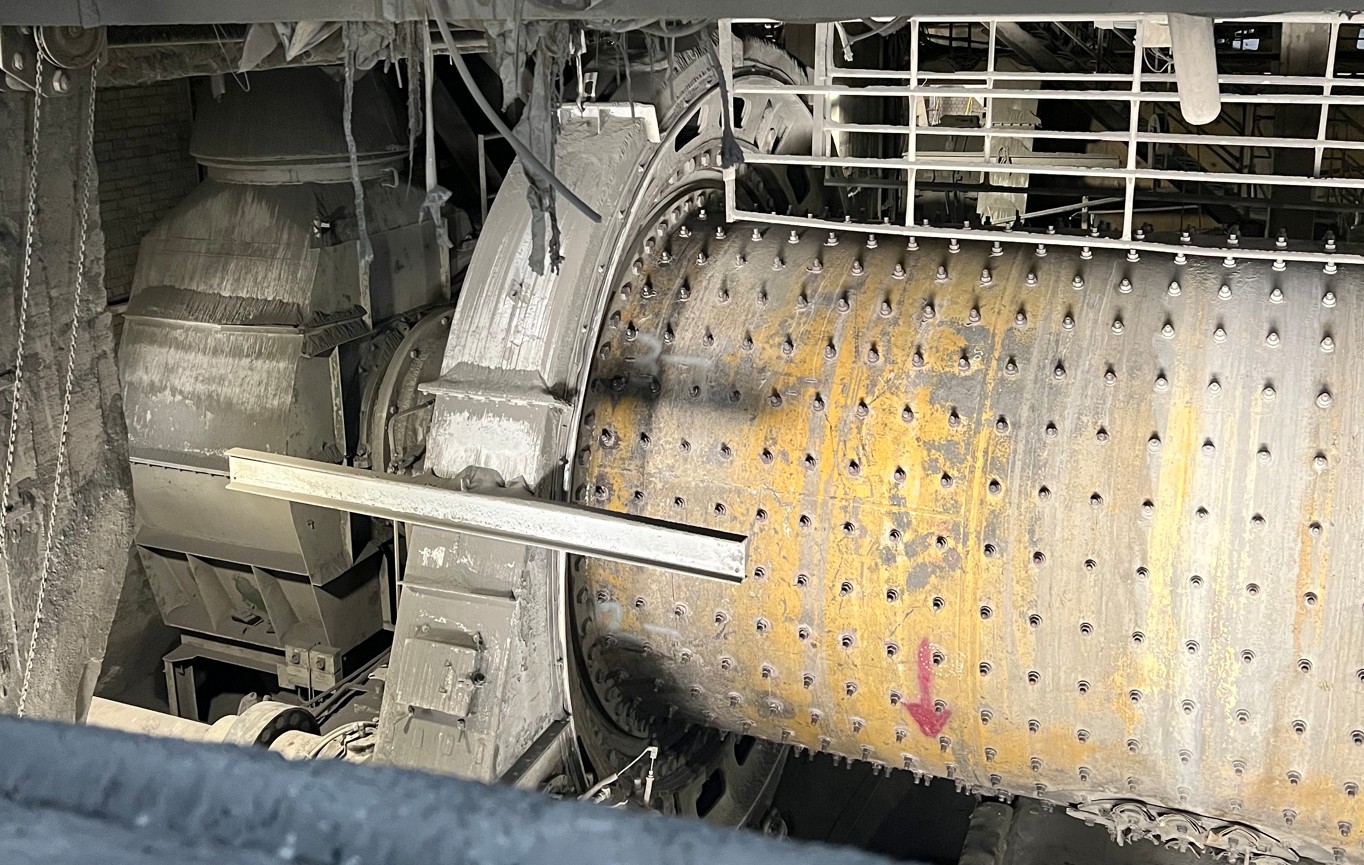
Metal powders can be produced by grinding, atomisation, classification, or other processing methods. Each process can create variability in particle size, shape, and distribution, making continuous monitoring valuable for quality assurance.
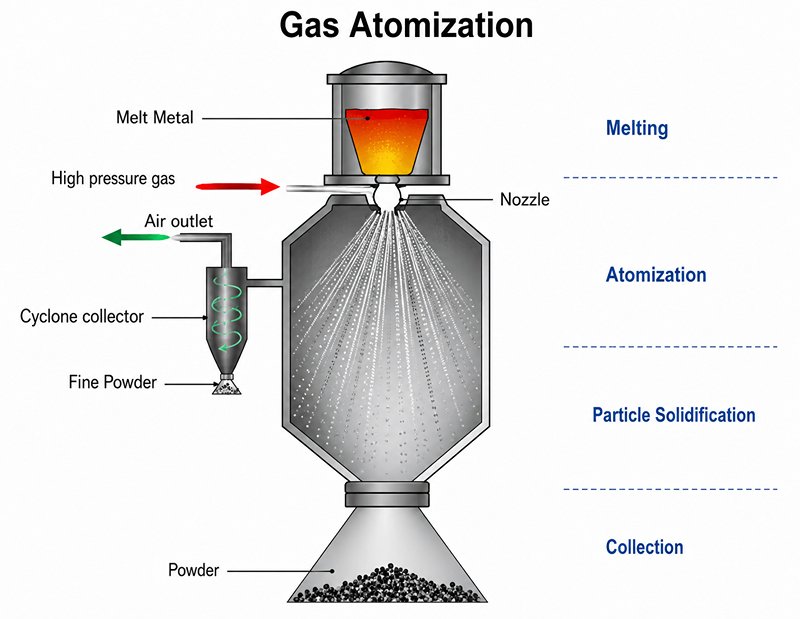
Gas atomization is widely used to produce high-quality metal powders for applications such as additive manufacturing, powder metallurgy, thermal spraying, batteries, and advanced materials. In this process, molten metal is broken into fine droplets using high-pressure gas jets, and the droplets solidify as they fall through the atomization chamber. The resulting particle size distribution is influenced by factors including gas pressure, gas-to-metal ratio, nozzle design, melt temperature, metal flow rate, and alloy properties. Tight control of PSD is essential because it directly affects powder flowability, packing density, processing behaviour, and final product performance.
Traditional quality control often relies on laboratory particle size analysis carried out on collected samples. While these measurements are useful, they are delayed and may not represent short-term process variations.
Xoptix provides real-time PSD measurement directly from the process, giving operators continuous visibility of powder quality. This enables faster detection of process drift and more immediate corrective action.
In metal powder processing, both coarse particles and excessive fines can create problems. Coarse particles may affect packing, surface finish, or printability, while fines can influence flowability, dust behaviour, oxidation risk, and handling characteristics.
Continuous PSD monitoring helps maintain tighter control of product specification and reduces the risk of producing material that requires rework, blending, or rejection.
Xoptix data can support process optimisation and automation by providing a continuous feedback signal for mills, classifiers, sieves, atomisation systems, and powder handling processes.
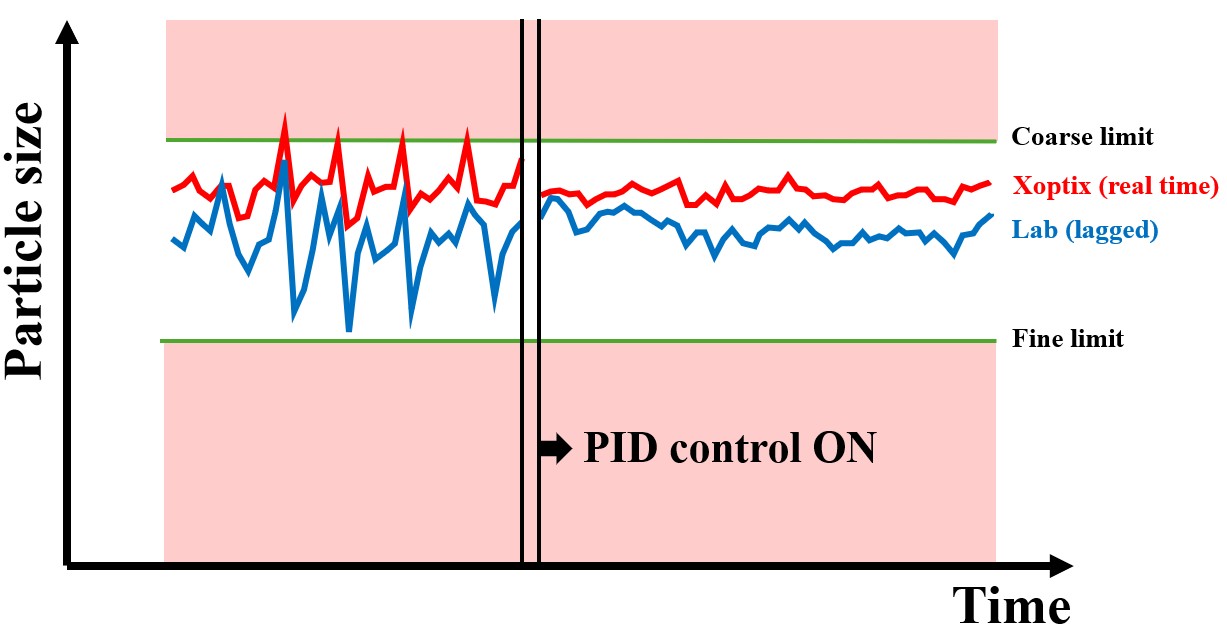
By improving particle size control, metal powder producers can achieve greater product consistency, reduced manual testing, improved batch traceability, lower waste, faster process response, and stronger confidence in final powder performance.