
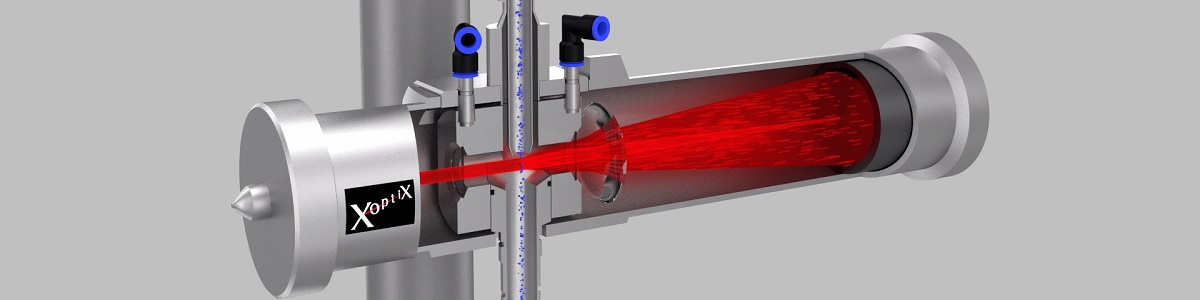
Dry Sampling
Dry sampling
Accurate particle size measurement starts with accurate sampling. Even the most advanced laser diffraction analyser cannot provide meaningful data if the sample entering the system is not truly representative of the main process stream. In industrial grinding applications, the quality of sampling often determines the overall quality and usefulness of the entire PSD monitoring system.
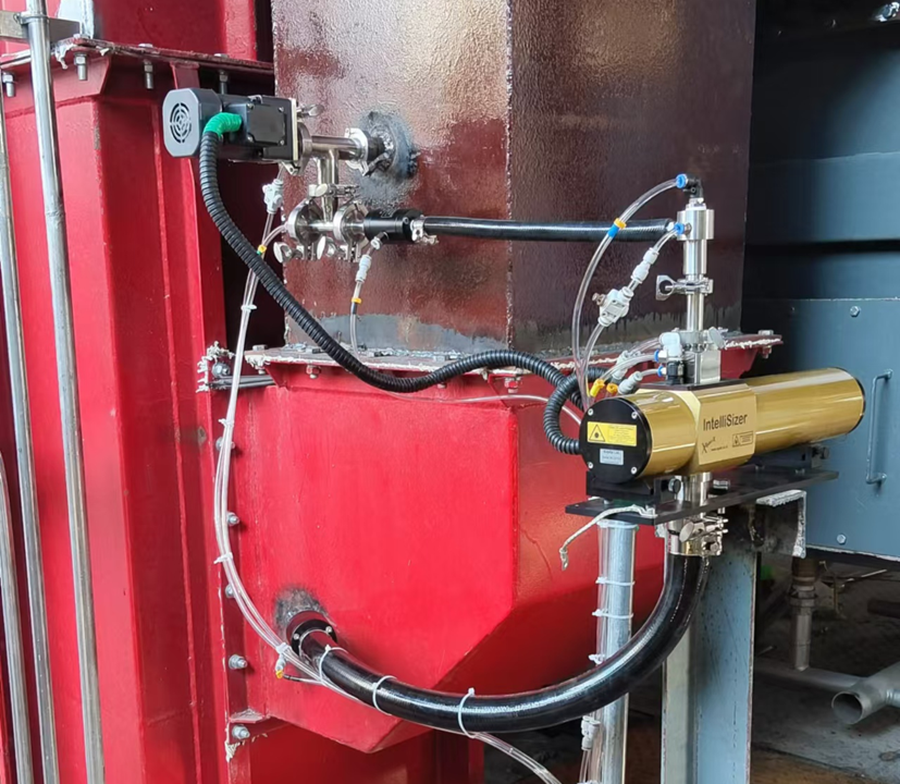
Sampling is therefore one of the most critical parts of any online particle size analysis installation. The objective is not simply to collect material, but to continuously obtain a representative sample that accurately reflects the real process conditions at every moment. Poor sampling can introduce segregation effects, particle bias, unstable flow, or time delays that make the PSD result unreliable regardless of analyser quality.
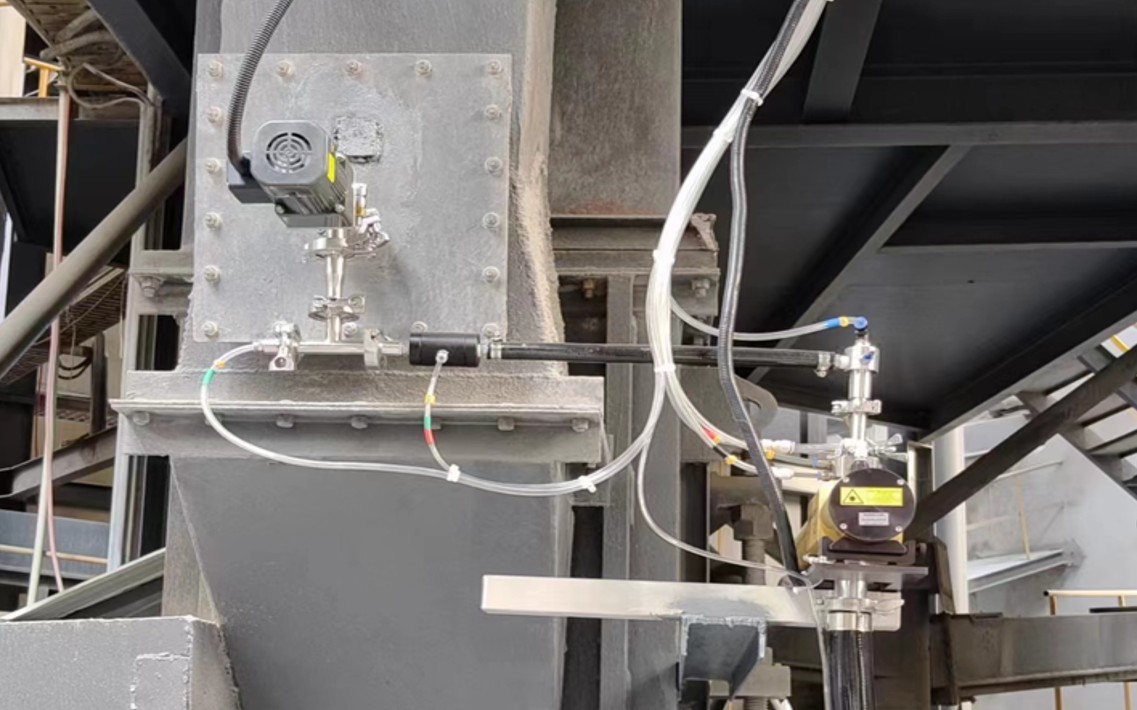
Online sampling is significantly more difficult than standalone or laboratory sampling. In laboratory conditions, operators can carefully collect material manually, homogenize the sample, and prepare it under controlled conditions. In contrast, online industrial sampling must operate continuously inside harsh process environments involving dust, vibration, temperature fluctuations, abrasive materials, and unstable process conditions.
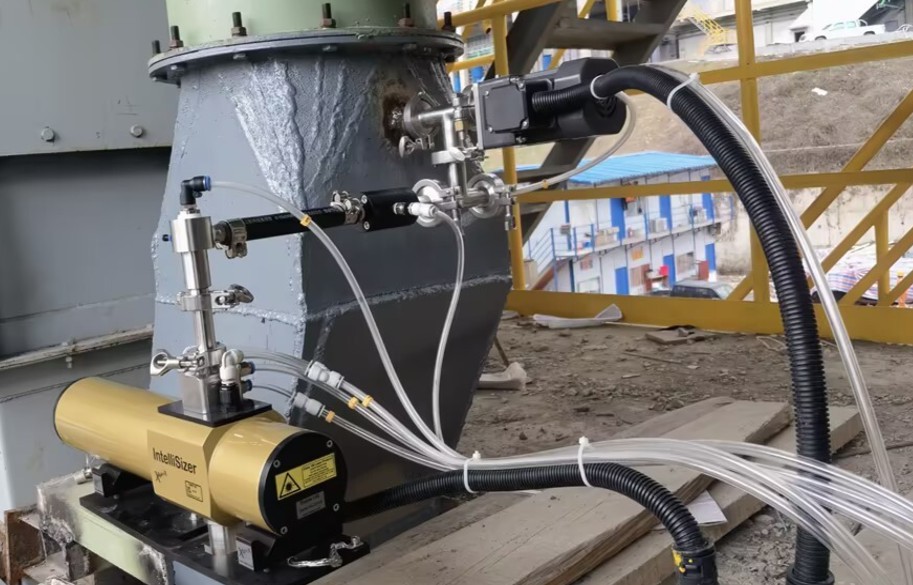
Another challenge of online sampling is that the system must continuously extract only a very small portion of the process flow while still maintaining full representativeness. This requires carefully designed sampling geometry, controlled flow conditions, and stable transport of material from the process to the analyser without changing the PSD during transport.
Compared to laboratory analysis, where only small manually collected samples are measured occasionally, online systems often handle continuously flowing sample streams that can reach up to 1 kg/h or more. Maintaining representative and stable sampling under these continuous high-throughput conditions is therefore significantly more demanding than traditional offline laboratory sampling.
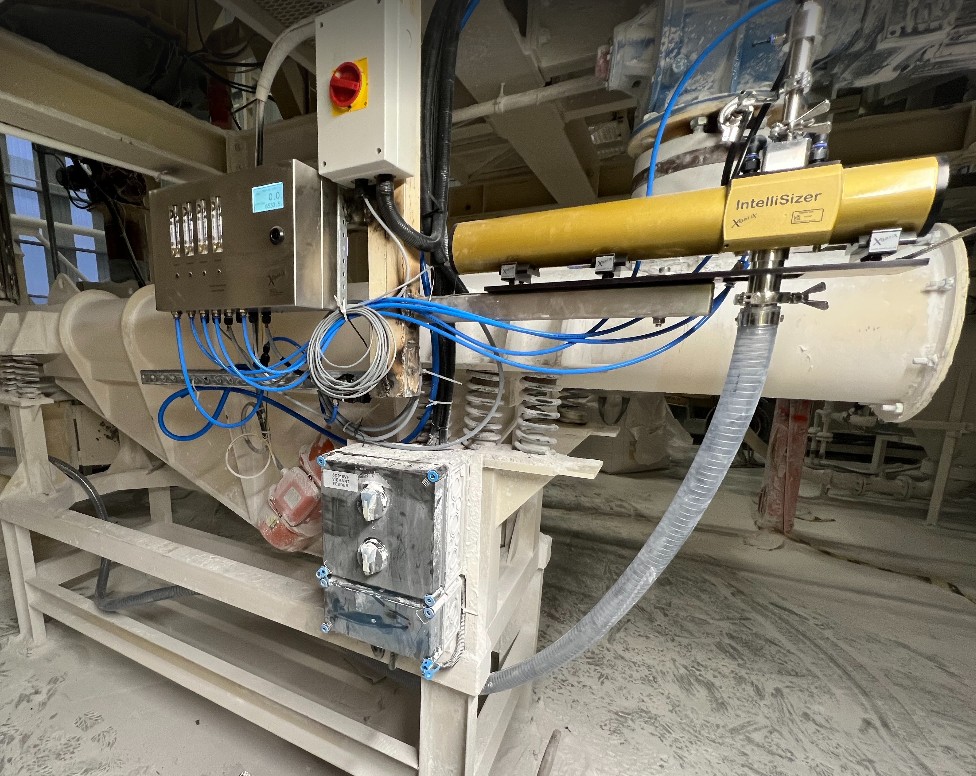
In most industrial applications, the success of online particle size measurement depends primarily on selecting the correct sampling location. Proper spot selection is often far more important than the sampler hardware itself. A well-selected sampling point can naturally provide a highly representative sample, while a poor location may create segregation, unstable flow, or biased particle collection.
Gravity falls are usually considered the best possible sampling locations because the material is naturally well mixed and freely flowing. In many cases, the particle stream is more homogeneous during free fall, making it easier to extract a representative sample continuously. Slow-moving material streams can also provide good sampling opportunities because particle segregation is typically reduced compared to high-velocity transport lines.
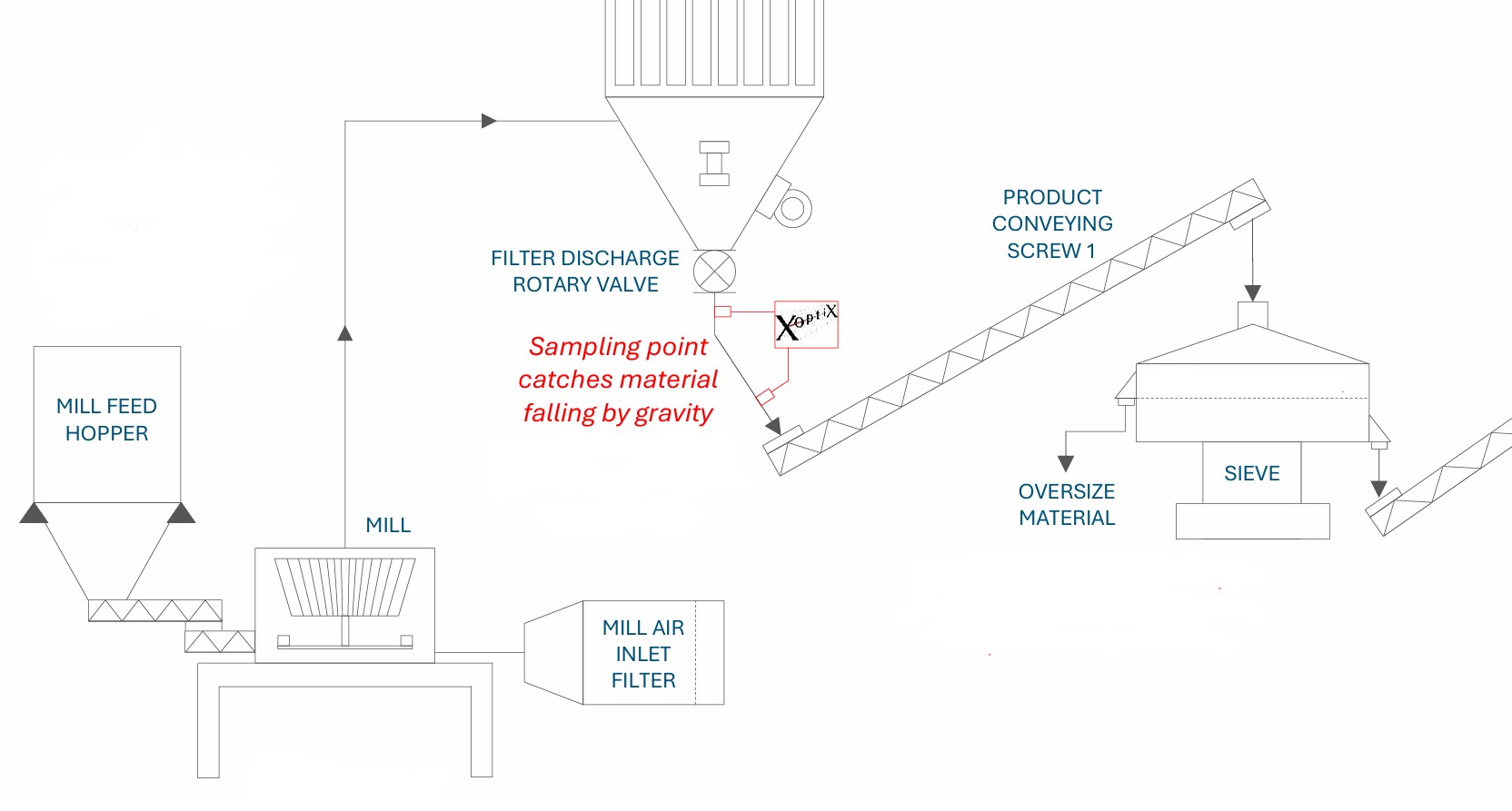
Every process is different, and selecting the correct sampling position requires practical process understanding and industrial experience. Xoptix engineers work closely with customers to evaluate process conditions, review existing equipment layouts, and identify the most suitable sampling solution for each application. Proper process integration is considered an essential part of every installation project.
To address different industrial conditions, Xoptix offers a broad portfolio of sampling systems suitable for many process configurations and materials. Different samplers are optimized for different material properties, process flows, temperatures, duct geometries, and operational requirements. This flexibility allows reliable online PSD measurement across a wide range of industries and applications.
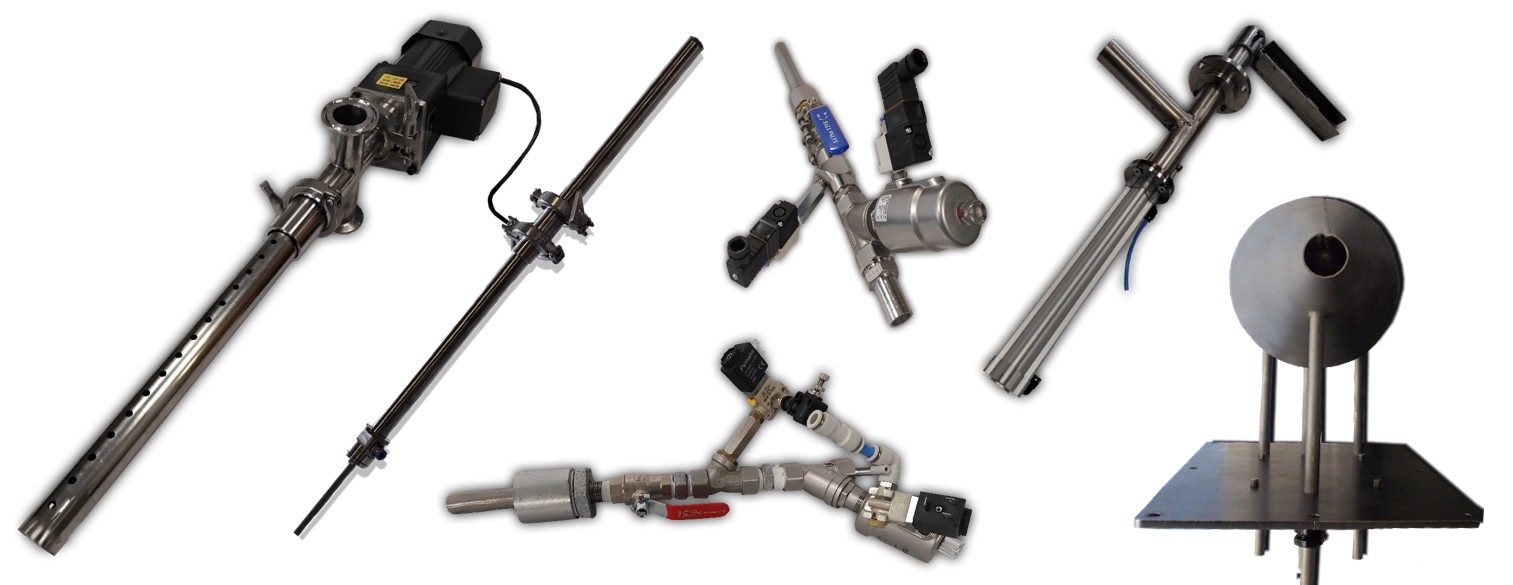
The auger sampler is one of the most reliable and commonly used sampling solutions. It continuously extracts material using a rotating screw mechanism, providing stable sample flow and excellent long-term reliability. Auger samplers are particularly suitable for dry powders and continuous grinding processes where robust 24/7 operation is required.
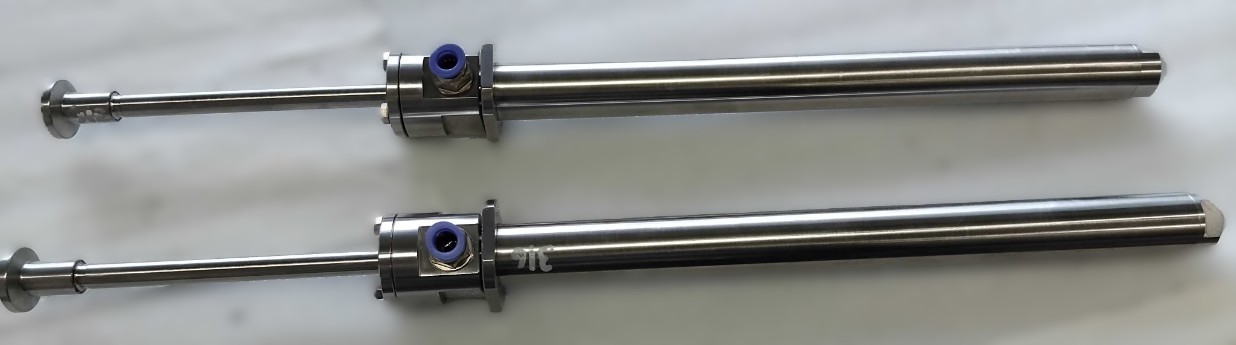
Sampling probes are often preferred for sticky or cohesive materials where conventional mechanical samplers may experience buildup or blockage. These probes are specially designed to maintain stable extraction of difficult materials while minimizing maintenance requirements and ensuring reliable sample transport to the analyser.
Cone samplers are typically used for very large ducts or high-capacity process lines where material flow cross-sections are large and representative extraction becomes more challenging. Their geometry allows efficient collection of representative material from large process streams while maintaining stable sampling conditions.
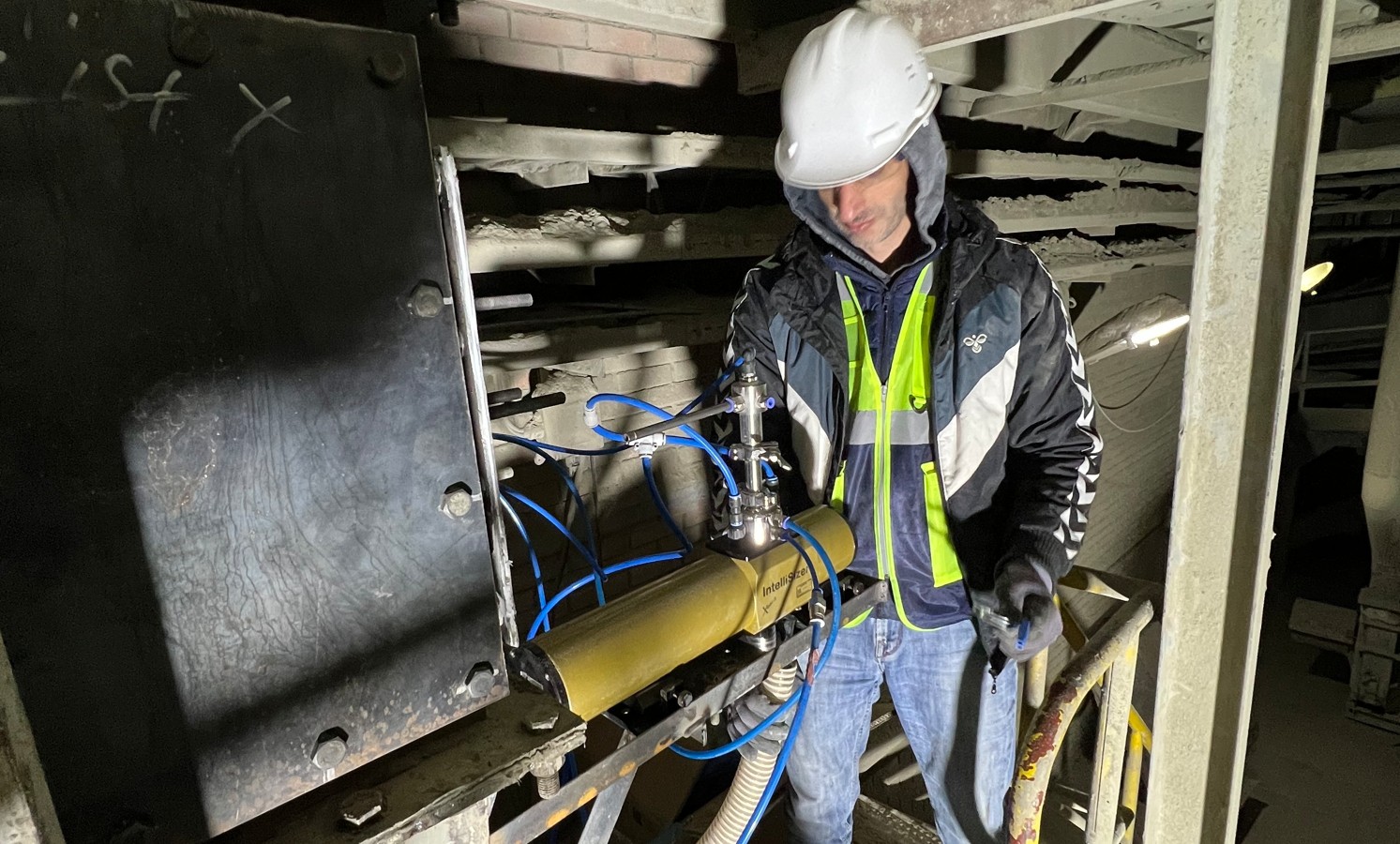 For batch processes, dedicated gravity batch samplers can be used to collect representative samples during filling or discharge operations. These systems are especially useful when continuous inline monitoring is not required but high-quality automated sampling is still needed.
Specialized batch samplers are also available for pneumatic conveying lines and airslide systems. These applications present unique challenges because the material is transported in highly dynamic air flows. Xoptix sampling solutions are designed to extract representative samples while minimizing process disturbance and preserving the original particle size distribution during transport to the analyser.