
Batch System
Batch system
Batch sampling systems differ fundamentally from continuous sampling systems. In a continuous installation, material is constantly extracted from the process and transported directly to the analyser while measurements are taking place. In a batch system, material is first accumulated over a defined period of time and only then transferred to the analyser for measurement. The resulting PSD therefore represents an average over the sampling period rather than an instantaneous process condition. While this introduces some measurement lag, it also creates significant flexibility for challenging applications.
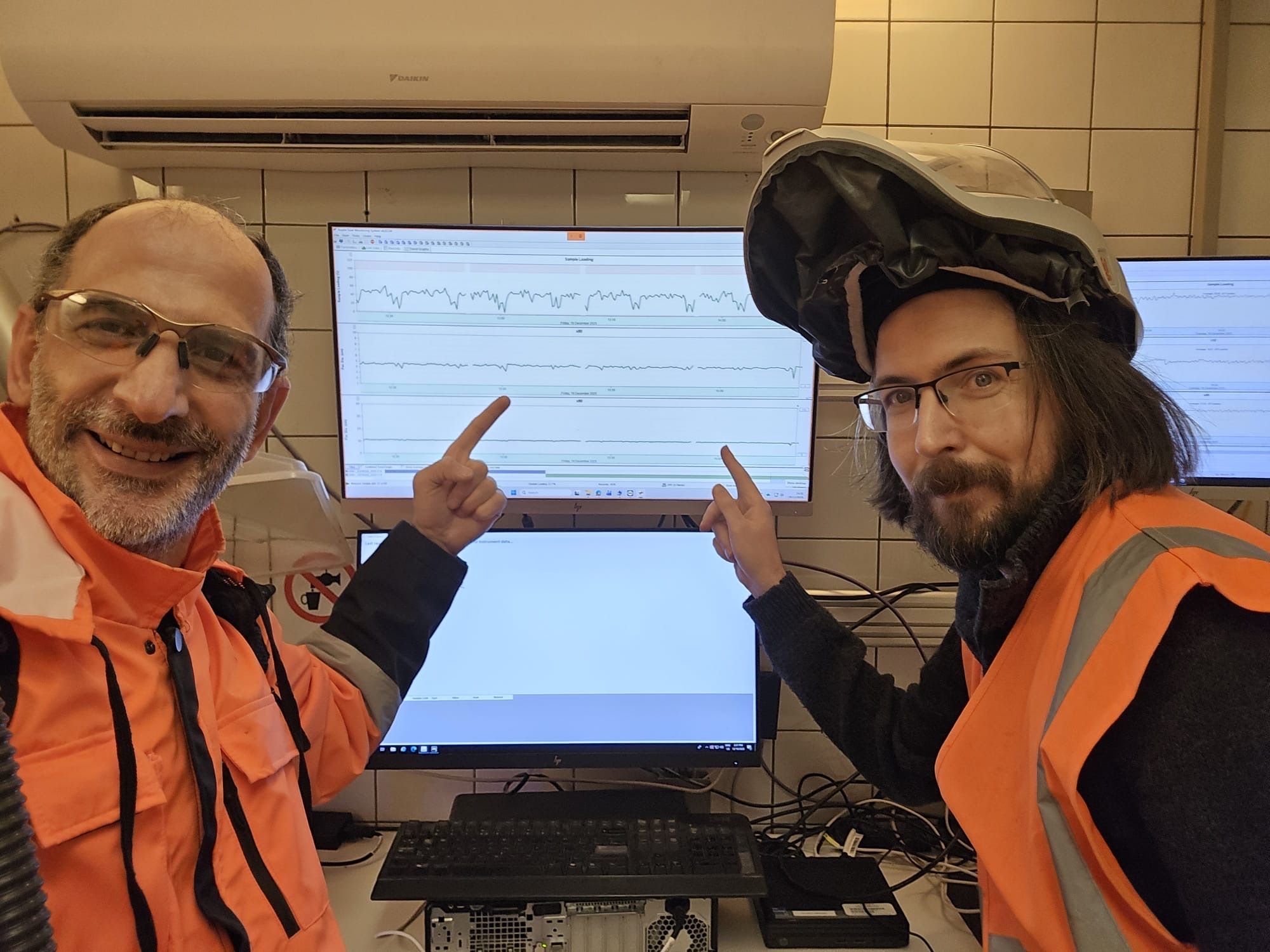
One of the major advantages of batch sampling is the ability to obtain representative samples from process locations where continuous sampling is difficult or impractical. Applications such as dilute phase pneumatic conveying, airslides, highly variable process conditions, or locations with large pressure fluctuations can often be sampled more effectively using a batch approach. By separating sample collection from sample measurement, the system can maintain excellent representativeness even under difficult operating conditions.
Another important benefit is the complete independence of individual samplers. Each sampling point can be designed and optimised specifically for its local process conditions without affecting other sampling locations. This allows a single measurement system to monitor process streams with very different pressures, temperatures, material loadings, flow velocities, and conveying methods.
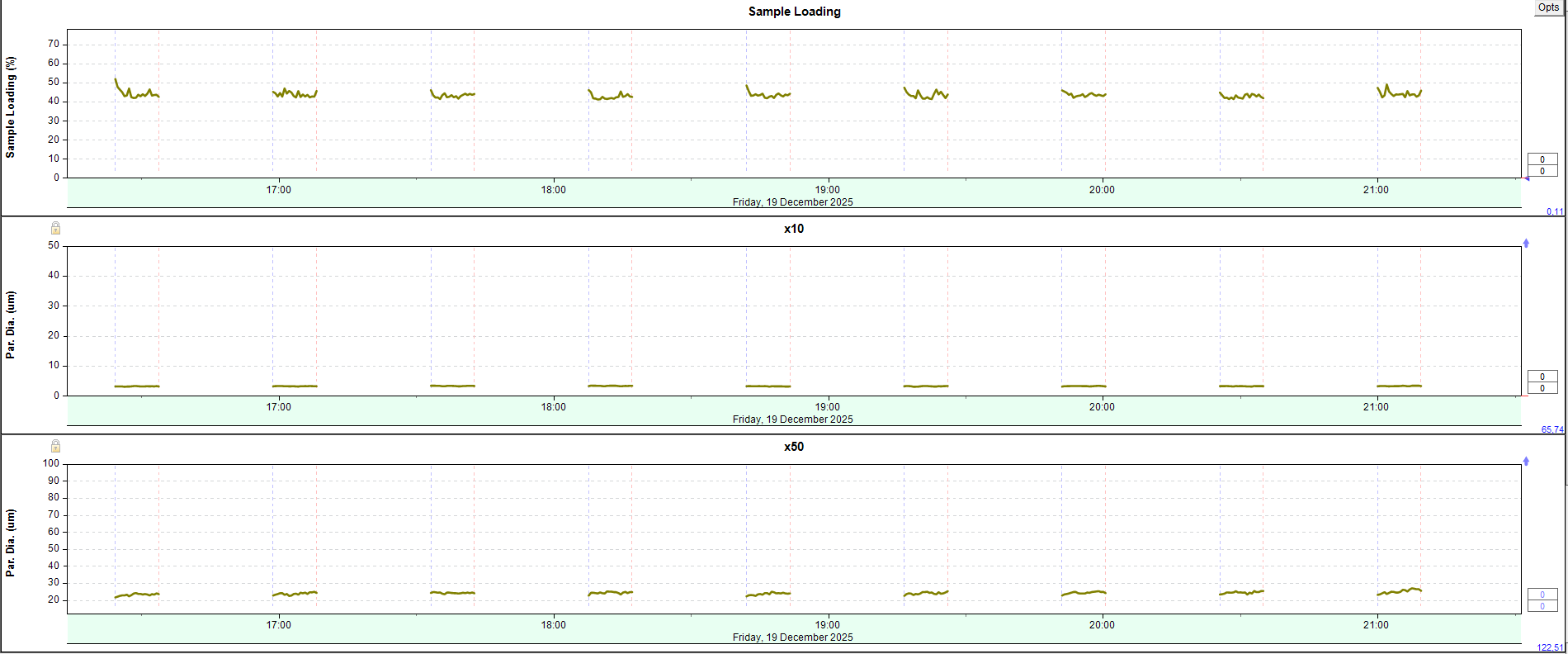
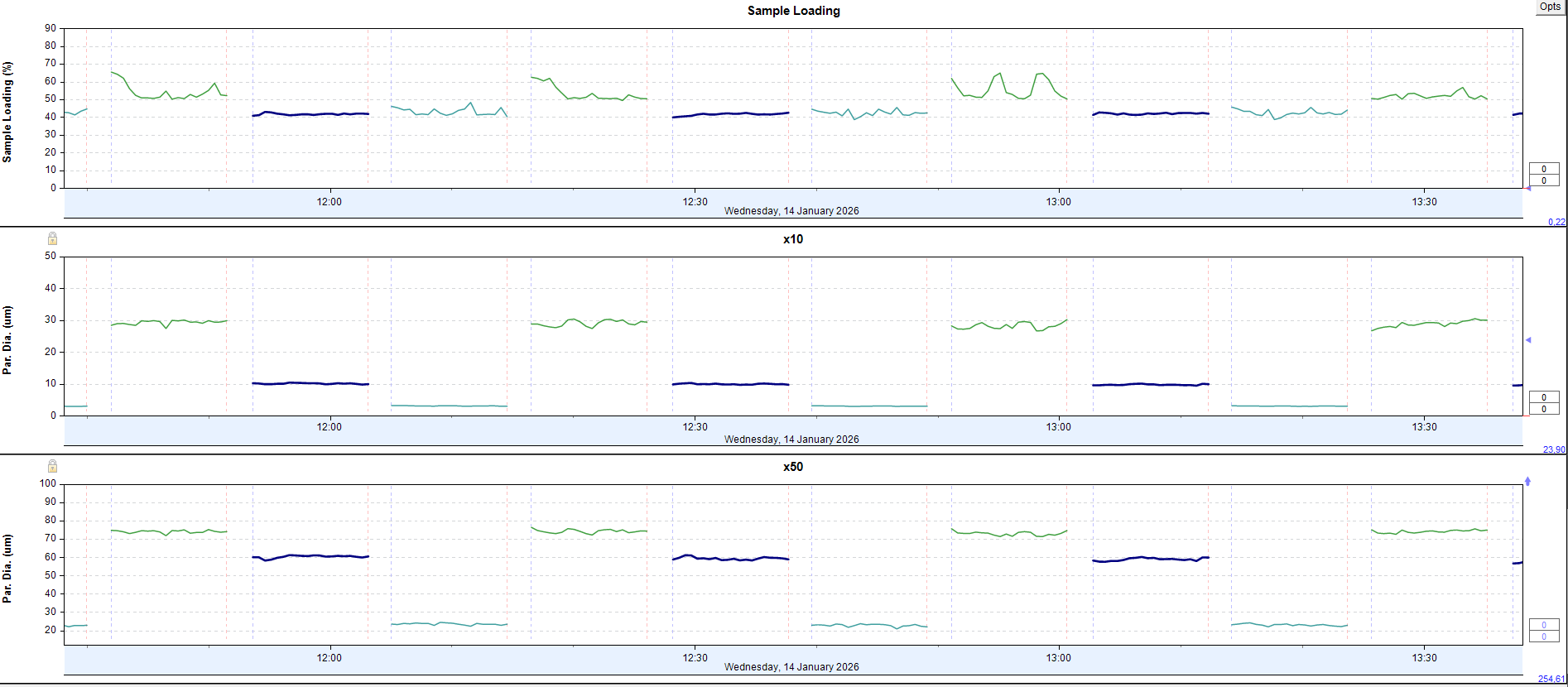
Batch systems are particularly attractive for multi-spot and multi-line applications. Multiple sampling points can share a single analyser, significantly reducing equipment cost while still providing valuable process information. Samples are collected sequentially from each location and analysed according to a configurable measurement schedule. This approach allows plants to gain detailed insight into multiple stages of a process using a single measurement platform.
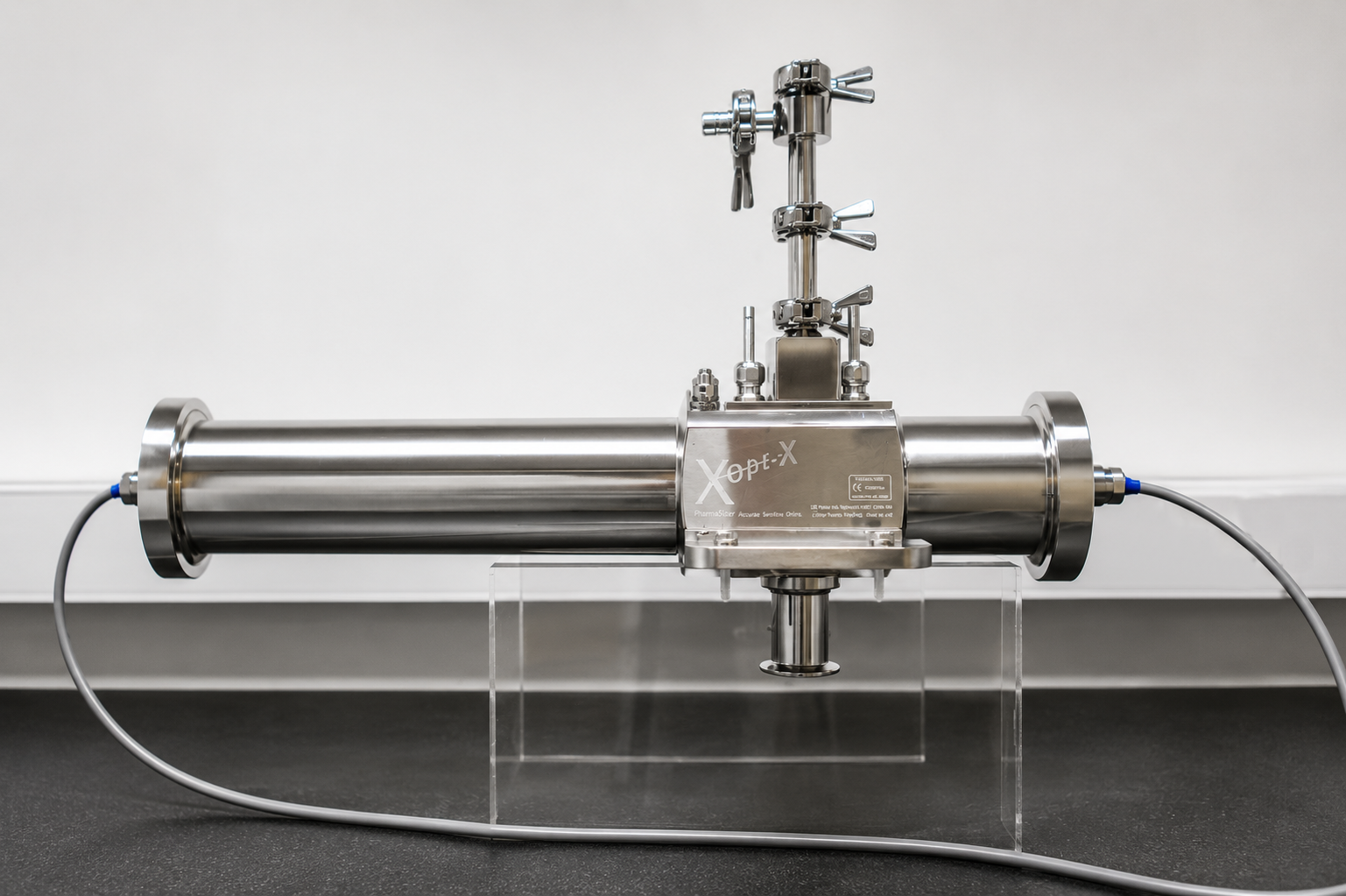
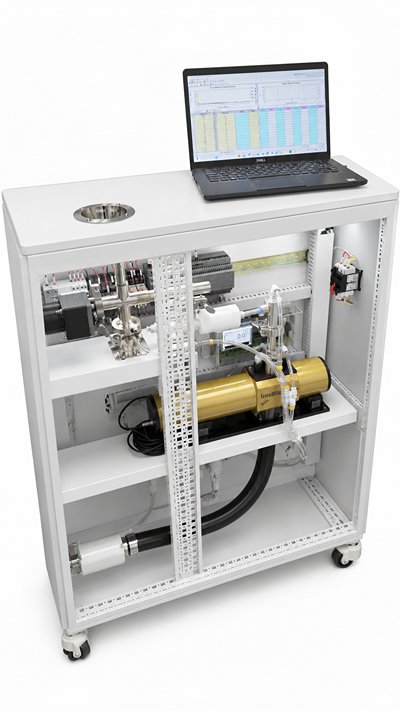
Xoptix refers to its sizer, coming with batch measurement platform as the RoboSizer. The RoboSizer combines automated sample handling with the proven IntelliSizer particle size analyser to provide a fully integrated online PSD measurement solution for batch applications. The system is designed to operate automatically while maintaining reliable and repeatable sample presentation to the analyser.
The batch system is typically built from several integrated components. These include the primary samplers, sample receivers, transfer mechanisms, feeding systems, dosing screws, and the particle size analyser itself. Each element is designed to preserve sample integrity and maintain representative measurement throughout the entire process.
For applications requiring full automation, the system can operate with automated sampling systems that periodically collect material, transfer it to a sample receiver, and then deliver it to the analyser using controlled feeding screws. Once measurement is complete, the system automatically prepares for the next sampling cycle without operator intervention.
For simpler installations, a manual walk-up configuration is also available. In this arrangement, the analyser is installed close to the process and operators manually collect samples and load them into the system when measurements are required. This approach provides many of the benefits of online particle size measurement while minimising installation complexity.
One of the most important applications for batch systems is multi-spot process optimisation. By measuring particle size distribution at several locations throughout a grinding circuit, operators can obtain a much deeper understanding of process behaviour.
Batch systems are also particularly valuable when long conveying distances would make continuous sample transport impractical. Because the sample is accumulated locally before measurement, the system can tolerate installations where the analyser is located far from the sampling point. Similarly, locations with highly variable operating conditions, rapidly changing pressures, or high-pressure dilute phase conveying systems can often be handled more effectively using a batch sampling approach than with conventional continuous sampling methods.