
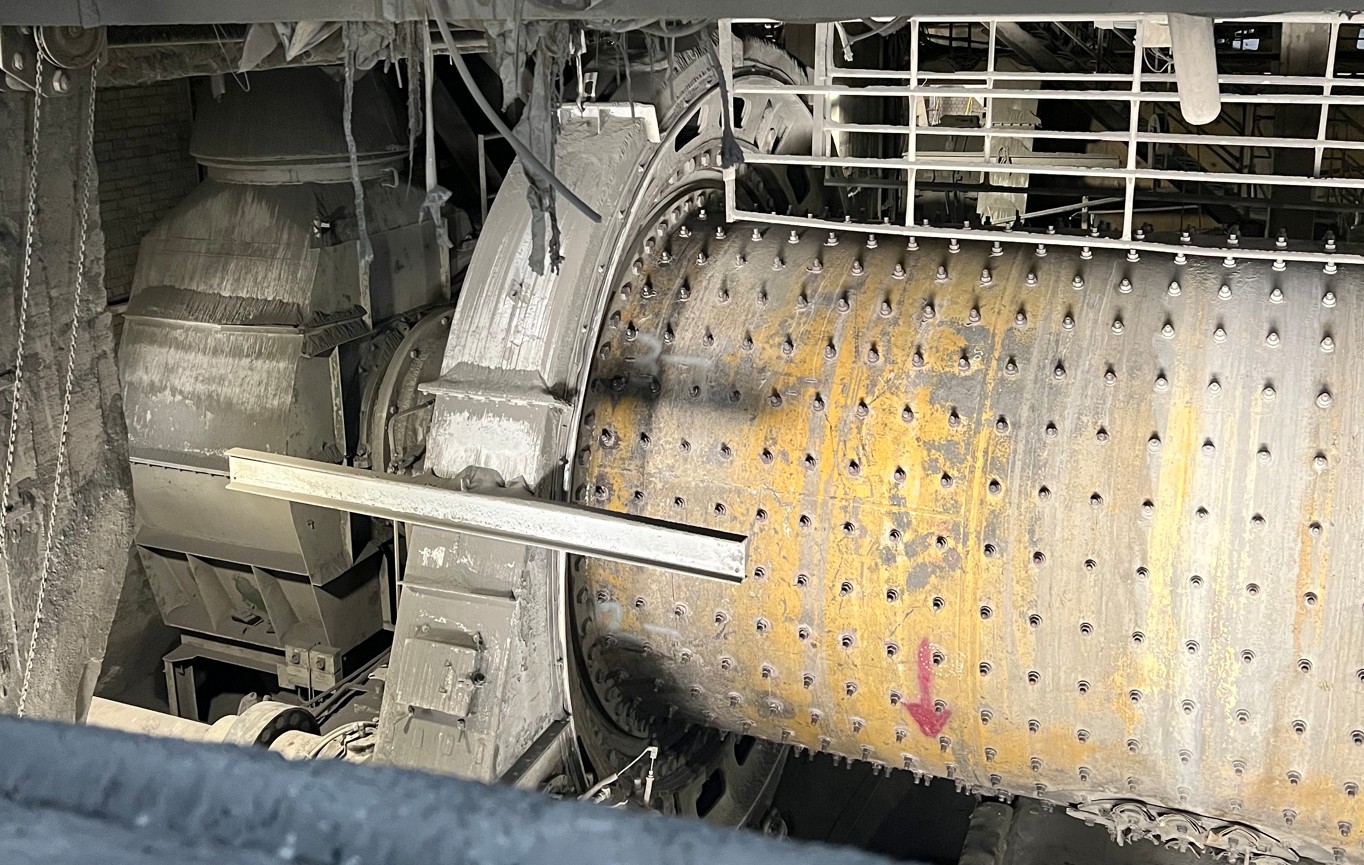
Petroleum Coke Grinding
Petroleum Coke Grinding
Petroleum coke grinding and classification play a critical role in aluminium anode production. Calcined petroleum coke is processed into carefully controlled particle size fractions that are blended with pitch to manufacture carbon anodes for aluminium smelters. The particle size distribution of the coke directly influences packing density, pitch demand, green anode strength, baked anode quality, electrical resistivity, and overall smelter performance.
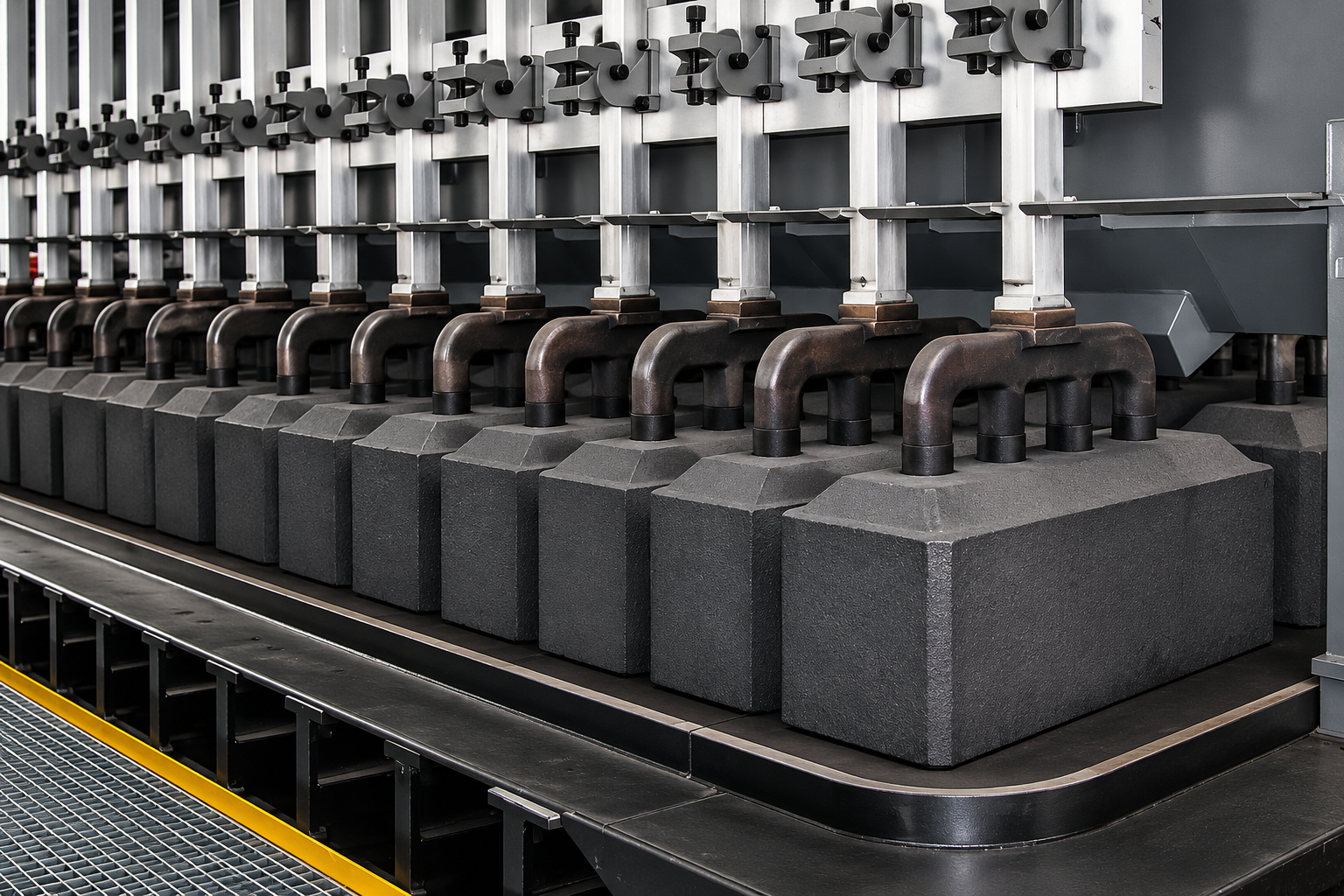
Maintaining a consistent particle size distribution is essential because even small variations in the balance between coarse, intermediate, and fine particles can significantly affect anode properties. Changes in coke characteristics, grinding conditions, classifier performance, and feed quality can all influence the final product. Tight PSD control is therefore a key requirement for achieving stable and predictable anode production.
Traditional particle size control relies heavily on manual sampling and laboratory sieve analysis. These measurements are often performed at relatively infrequent intervals and provide only occasional snapshots of process performance. Between laboratory tests, operators have limited visibility of what is happening inside the grinding and classification circuit, making it difficult to detect process deviations quickly.
For many anode producers, one of the key benefits of online particle size measurement is the elimination of routine manual sampling and sieve testing. Conventional analysis requires personnel to collect samples, transport them to the laboratory, perform measurements, and communicate the results back to operations. This process is labour-intensive, time-consuming, and inherently delayed. Continuous online PSD measurement removes these delays while providing immediate process information.
Xoptix provides continuous real-time particle size distribution measurement directly from the grinding and classification process. Operators gain immediate visibility of product quality and can identify process changes as they occur. This enables faster corrective action, improved process understanding, and tighter control of critical particle size fractions.
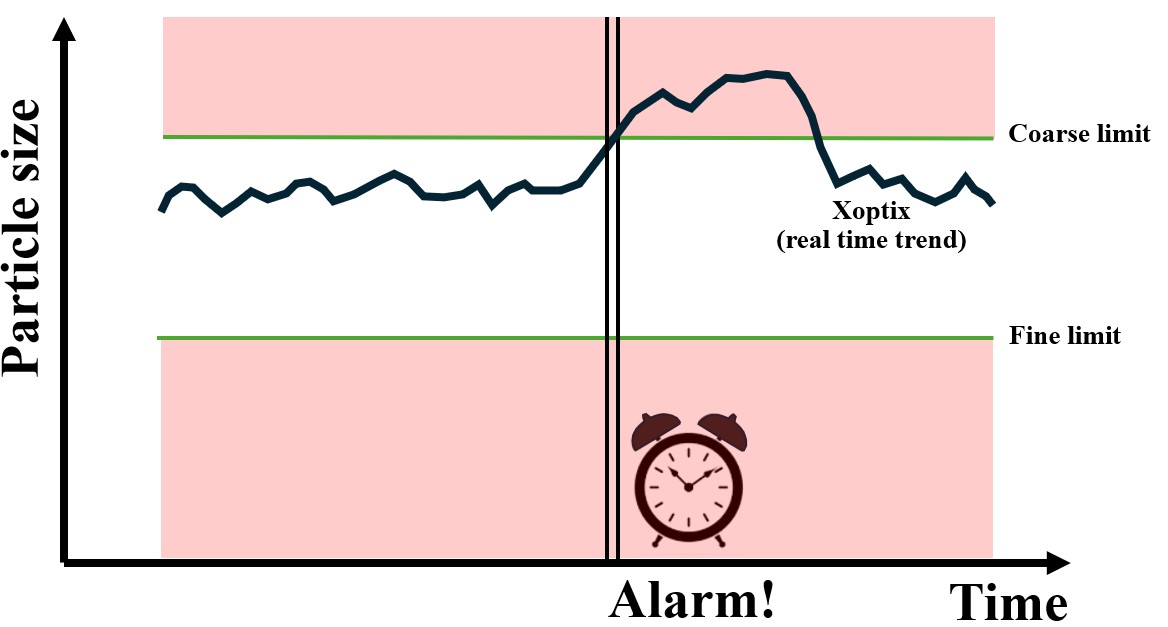
One of the most common challenges in anode production is maintaining the correct balance between coarse and fine particles. Excessive fines can increase pitch demand and affect anode density, while insufficient fines may reduce packing efficiency and negatively impact anode strength. Real-time PSD monitoring allows producers to maintain the optimum particle size distribution required for consistent anode quality.
Continuous PSD measurement also supports higher process efficiency by reducing the need for conservative operating margins. Operators can optimise grinding and classification performance with greater confidence, reducing product variability and minimising the risk of producing off-specification material. This can lead to lower operating costs, improved yield, and reduced laboratory workload.
Real-time PSD measurement becomes even more powerful when combined with automatic process control. Xoptix offers a dedicated Advanced Process Control (APC) solution for petroleum coke grinding and classification that continuously uses live particle size data to optimise classifier operation, mill performance, and product quality. Instead of simply informing operators that a problem exists, the system actively maintains target PSD, reducing process variability, minimising manual intervention, and helping ensure consistent anode production.
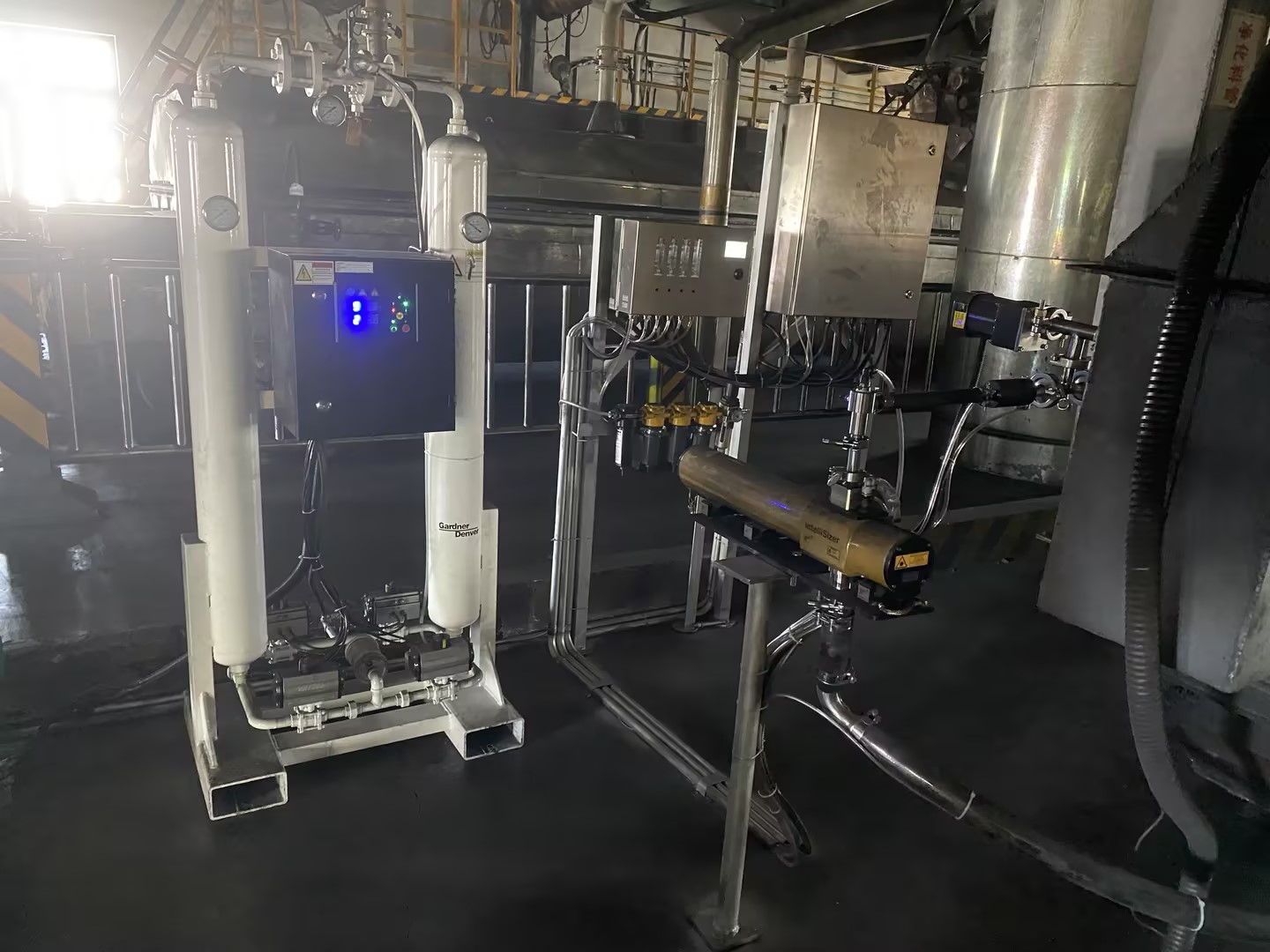
The combination of continuous PSD measurement, dedicated APC, and improved process visibility helps aluminium producers achieve more consistent anode quality, lower pitch consumption, reduced laboratory workload, fewer off-specification batches, improved process stability, and greater confidence in day-to-day plant operation.
Huomei Hongjun Aluminum & Electricity Co is saying:
After implementing the system, the fluctuation range of fine purity in our company was significantly reduced from the original 65.5%~71% to 68%~69%, greatly enhancing the stability of fine material quality. Meanwhile, the apparent density fluctuation range of green anode blocks was also optimized from 1.61~1.66 g/cm³ to 1.62~1.65 g/cm³, resulting in a marked improvement in the consistency of anode products.