
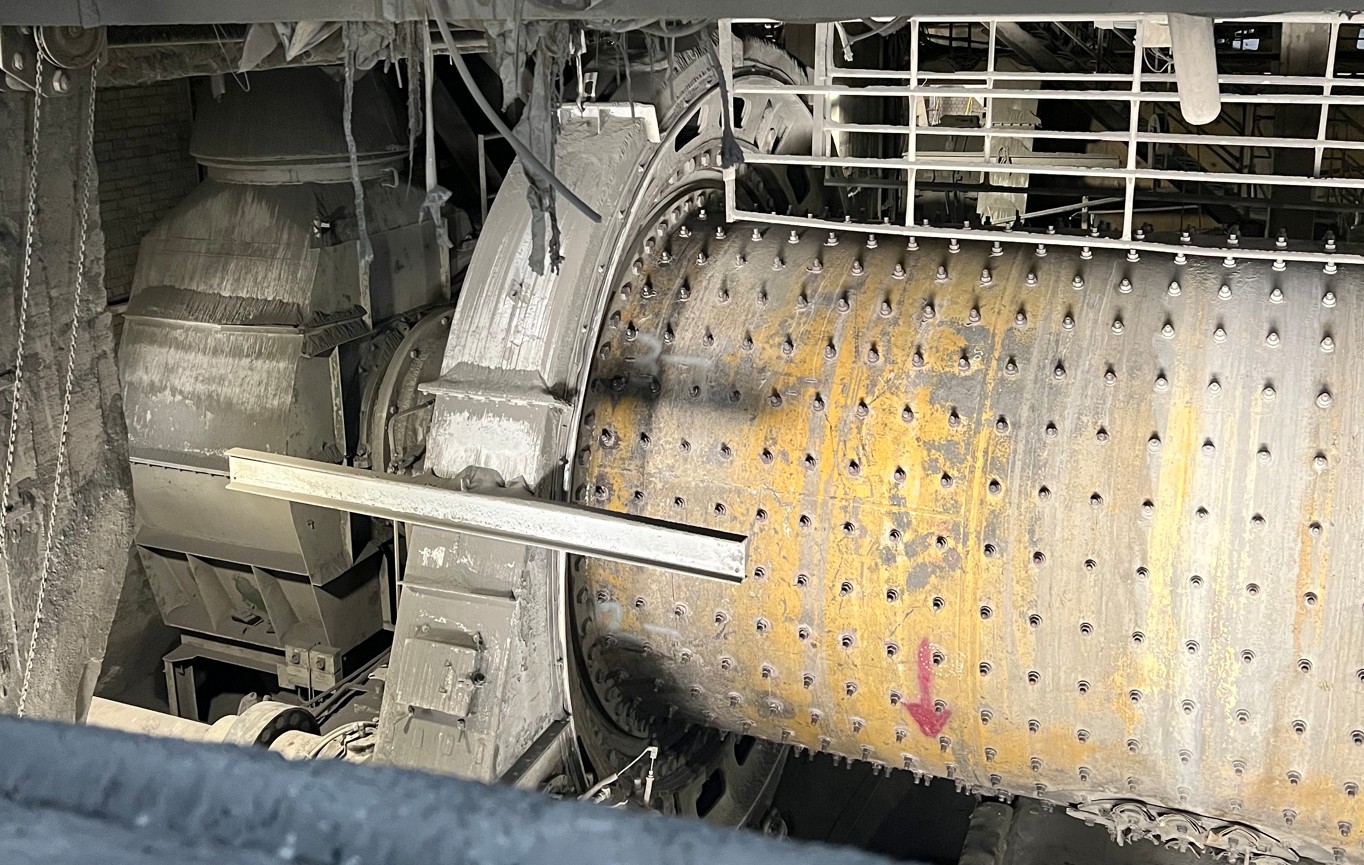
Fly Ash Grinding
Fly Ash Grinding
Fly ash grinding is used to increase the reactivity and value of fly ash as a supplementary cementitious material. By reducing particle size and increasing surface area, grinding improves strength development, enhances concrete performance, and enables higher clinker replacement rates in blended cements.
The economic value comes from converting variable or lower-grade fly ash into a more consistent, higher-performance product. This allows cement producers to reduce clinker consumption, lower CO₂ emissions, improve product quality, and increase the market value of the fly ash.
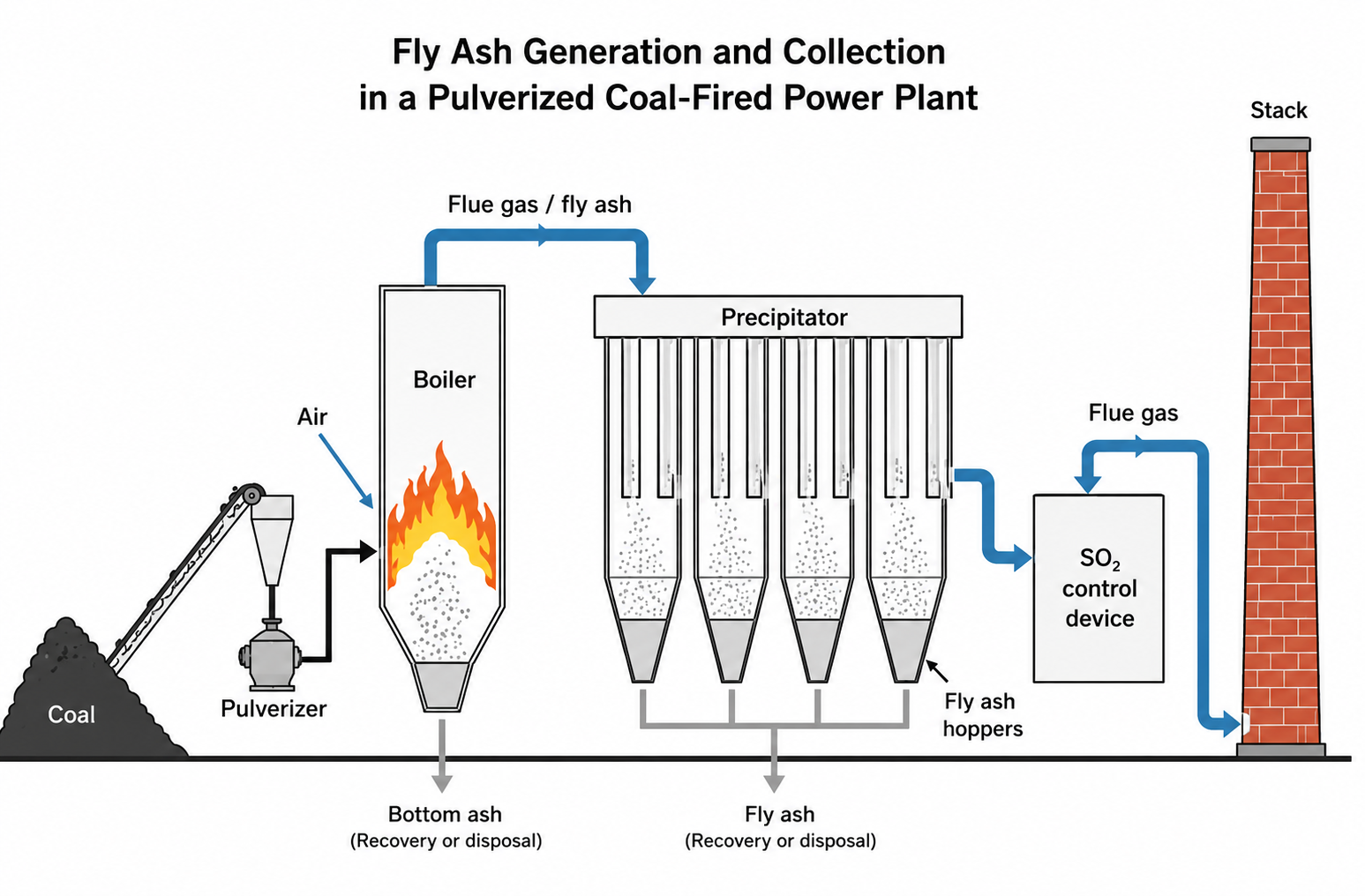
Compliance with industry standards and customer specifications is a key requirement for fly ash producers and cement manufacturers. Standards such as ASTM C618 and EN 450 place limits on properties including fineness, which directly influences the suitability of fly ash for use in cement and concrete. Grinding helps producers achieve a more consistent particle size distribution, improving compliance, reducing the risk of off-specification material, and increasing confidence in product quality.
Fly ash properties can vary significantly depending on the combustion process, source material, collection point, and storage conditions. These variations can influence grindability, fineness, and final product behaviour.
Traditional fly ash quality control often relies on periodic laboratory analysis. While useful, these tests are delayed and only represent a small snapshot of production. This makes it difficult to react quickly to changes in process conditions or feed quality.
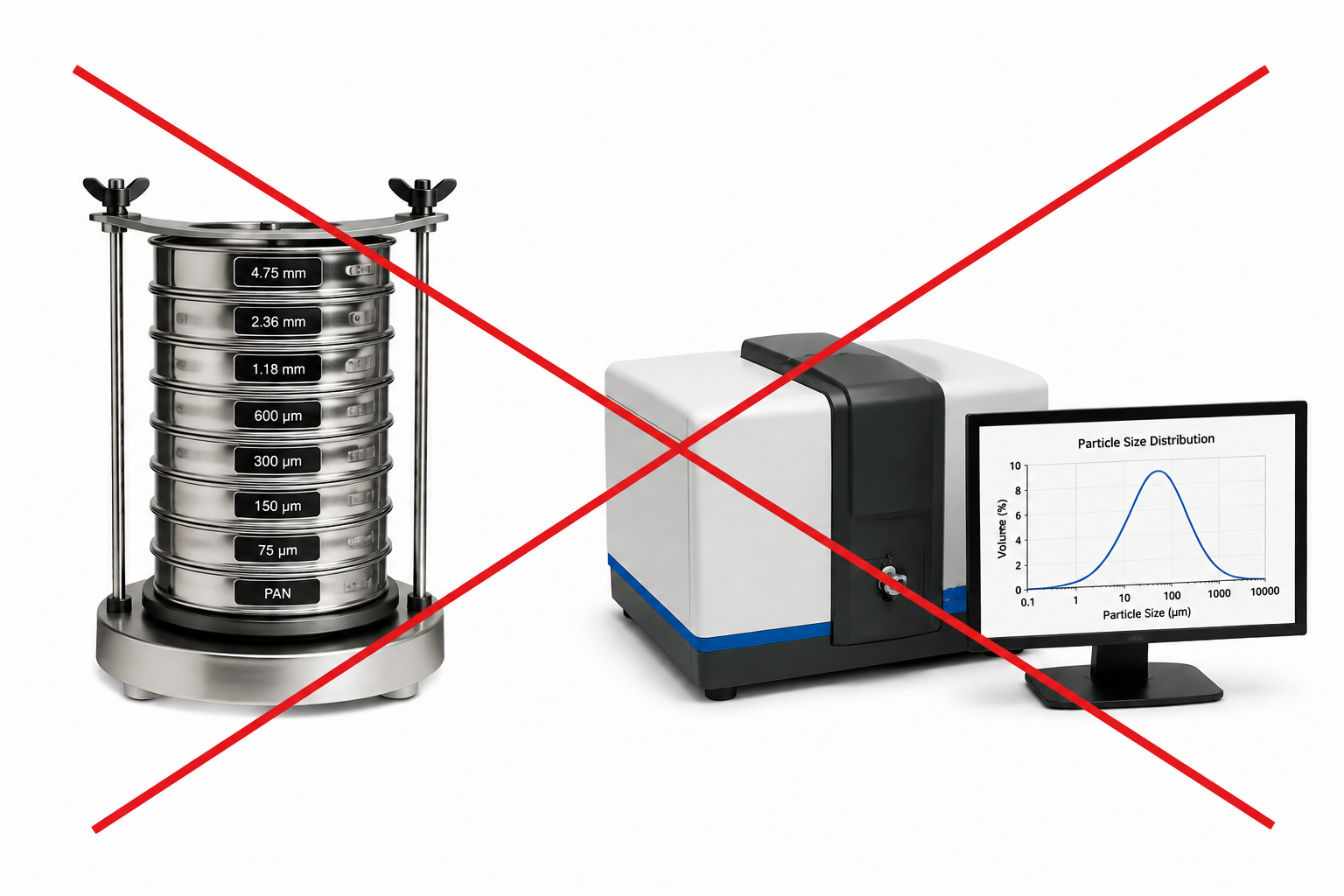
Xoptix provides continuous real-time PSD measurement directly from the grinding or classification process. Operators gain immediate visibility of product fineness and can identify process deviations as they occur.
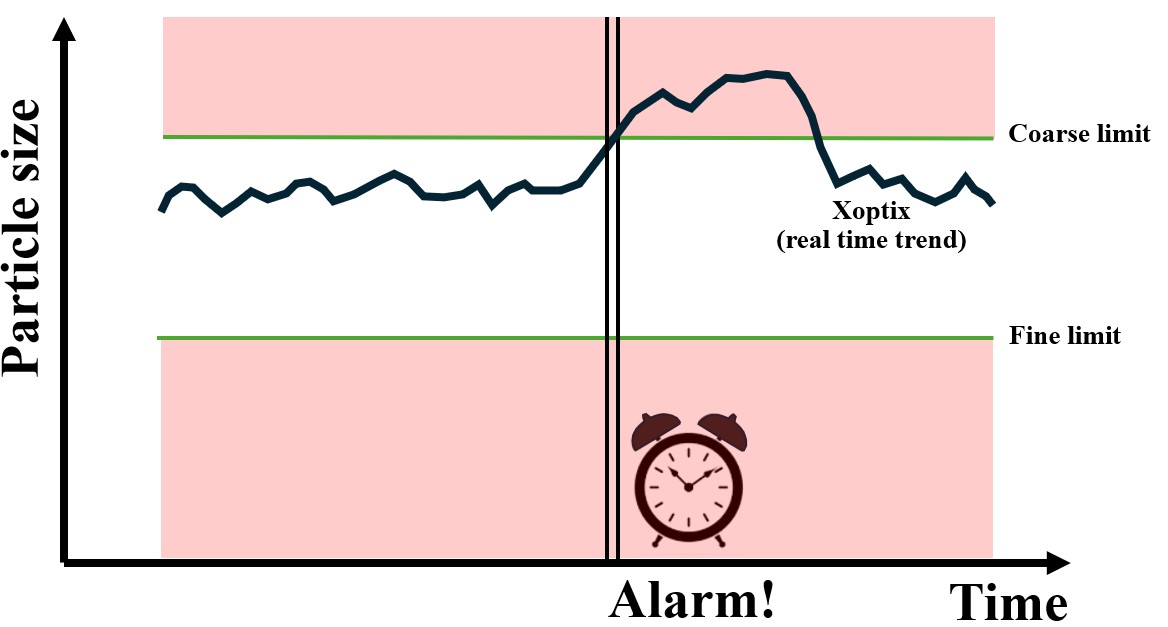 A common operational challenge is balancing fineness improvement with energy consumption. Grinding fly ash finer can increase reactivity, but excessive grinding adds unnecessary cost and may not deliver proportional performance benefits.
Real-time PSD monitoring allows producers to maintain the required fineness without overprocessing the material. This supports more efficient energy use and more consistent product performance.
The continuous data from Xoptix can support process optimisation and automation. Separator speed, mill feed rate, airflow, and classification settings can be adjusted based on actual PSD rather than delayed laboratory results.
With improved control of fly ash fineness, producers can reduce product variability, improve quality consistency, lower operating costs, reduce manual testing, and increase confidence in the performance of blended cement and concrete products.