
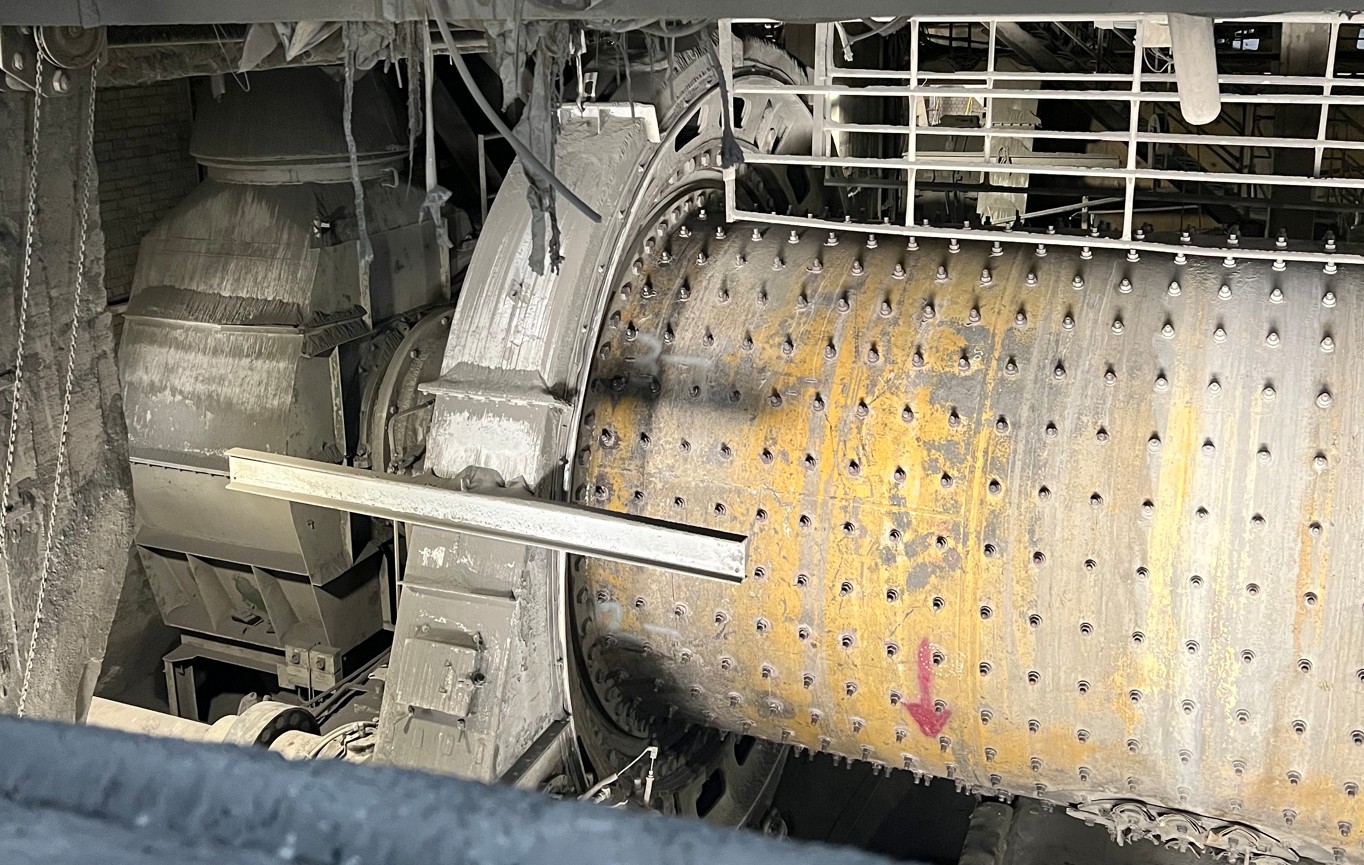
Coal Mill for Kiln Burner
Dedicated In-Process Particle Sizing Experts
Coal grinding plays a critical role in clinker production, as the quality and consistency of the pulverised fuel directly influence kiln stability, combustion efficiency, clinker quality, and overall plant performance. The particle size distribution of the ground coal determines how quickly the fuel ignites and burns, affecting flame shape, heat transfer, and fuel utilisation within the kiln and calciner.
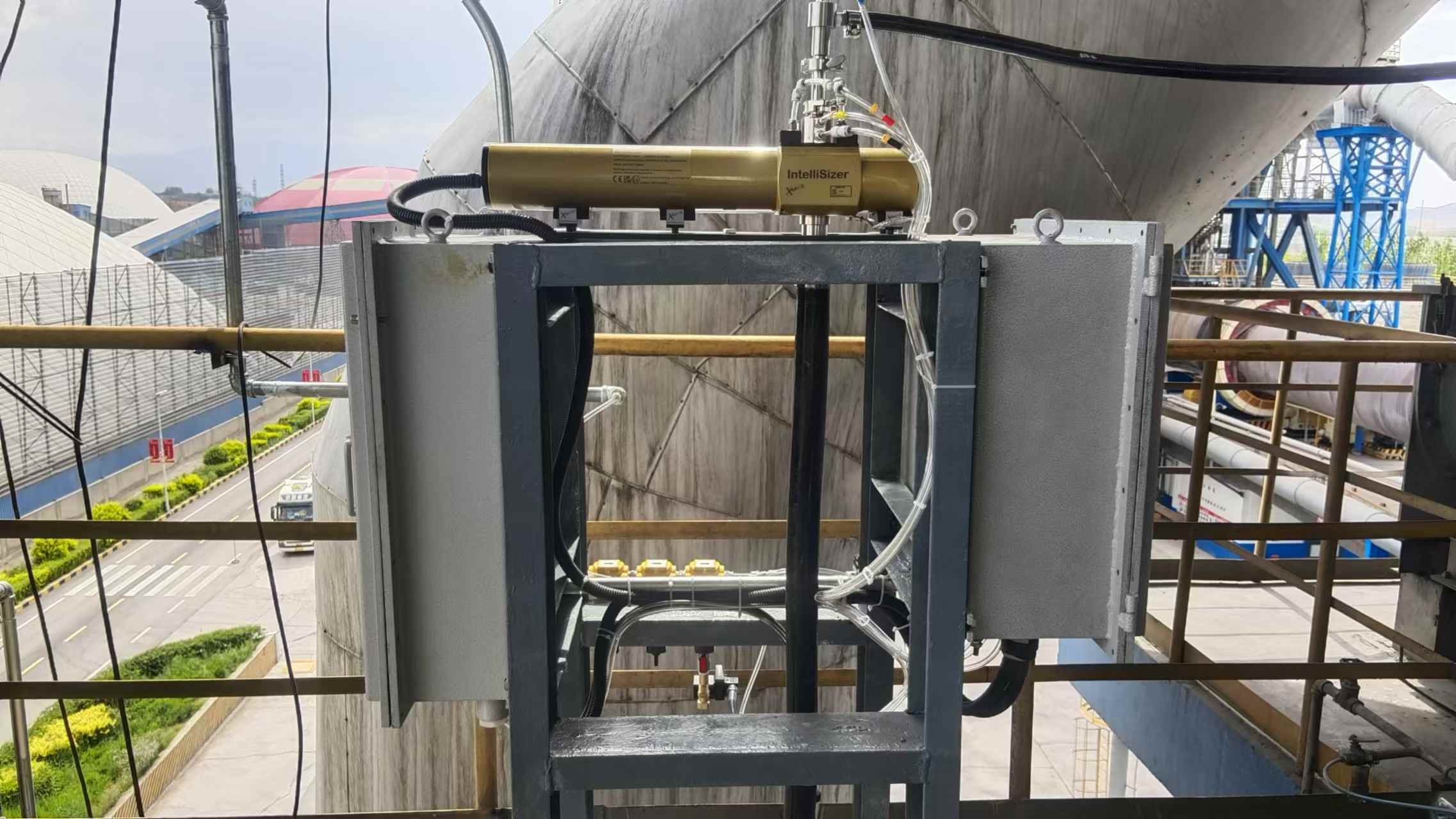
Maintaining a consistent coal fineness can be challenging due to variations in raw coal properties, including moisture content, hardness, volatile matter, and ash composition. Changes in mill operating conditions, separator performance, and feed characteristics can all influence the resulting particle size distribution. Without continuous visibility of the grinding process, operators often have limited ability to identify and correct deviations before they impact kiln operation.
Traditional coal fineness control typically relies on periodic sieve analysis and laboratory measurements. While these methods provide useful information, they only offer occasional snapshots of process performance. Significant changes in fuel fineness can occur between measurements, potentially leading to combustion instability, increased fuel consumption, and reduced kiln efficiency.
For many cement producers, one of the key drivers for online coal fineness measurement is the elimination of routine manual sampling and laboratory testing. Traditional sieve analysis requires personnel to collect samples, transport them to the laboratory, perform the measurement, and communicate the results back to operations. The process is labour-intensive and inherently delayed. Xoptix provides fully automated, continuous PSD measurement directly from the process, removing the need for frequent manual testing while delivering real-time information that supports faster and more effective operational decisions.
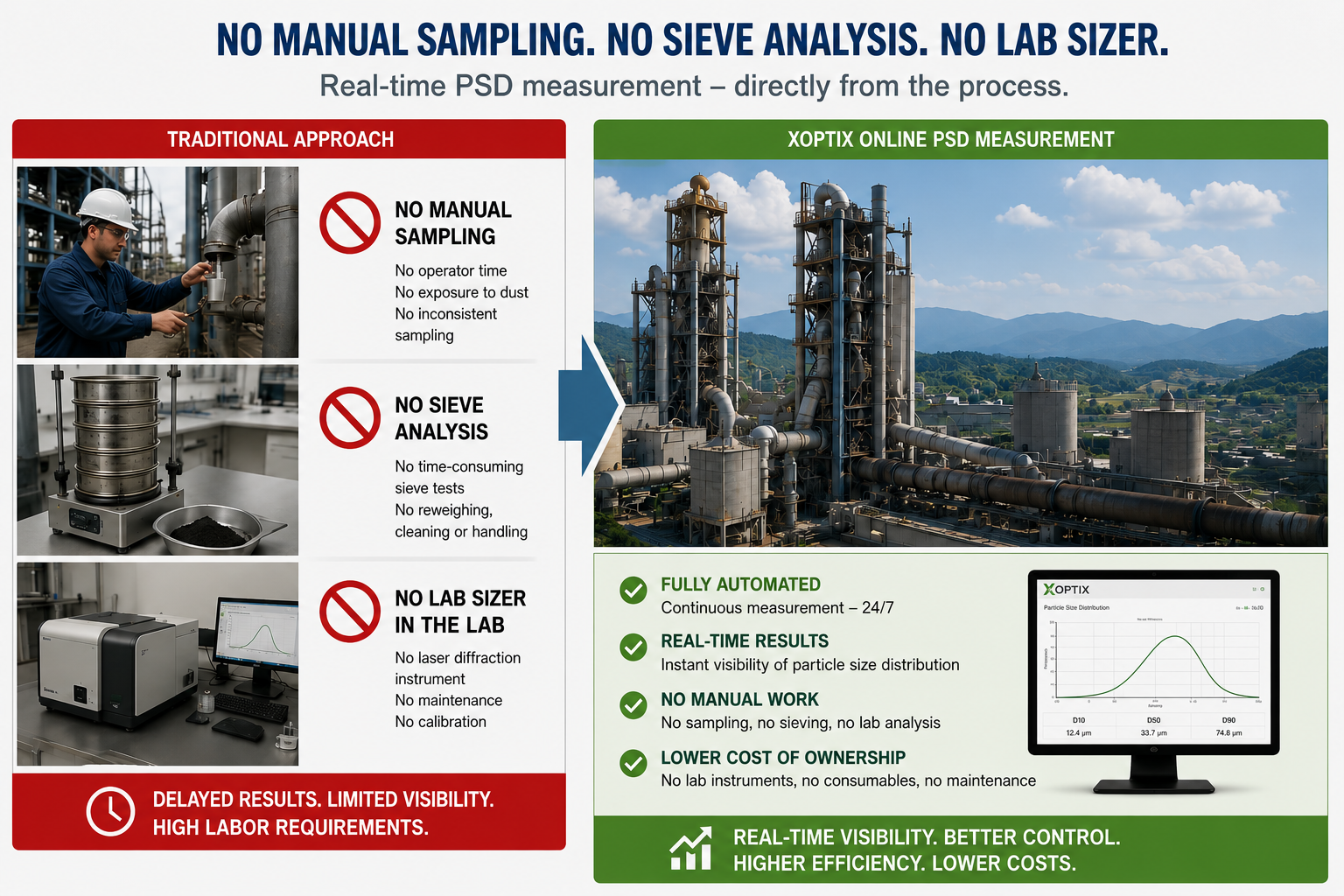
Xoptix provides continuous real-time particle size distribution measurement directly from the coal grinding process. Instead of waiting for laboratory results, operators gain immediate visibility of fuel fineness and can respond quickly to changing process conditions. This enables more proactive control of the grinding circuit and supports stable kiln operation.
One of the most common operational challenges is maintaining the correct balance between coarse and excessively fine coal. Coal that is too coarse may not burn completely, resulting in reduced combustion efficiency and increased unburnt carbon losses. Conversely, grinding coal finer than necessary increases electrical energy consumption and reduces mill capacity. Real-time PSD monitoring allows operators to maintain fuel fineness within the optimum operating window.
With continuous measurement of particle size distribution, coal mills can often be operated closer to their performance limits while maintaining confidence in combustion quality. Improved visibility reduces the need for conservative operating margins and can support increased mill throughput without compromising fuel performance.
Energy consumption is a significant consideration in coal grinding. Every tonne of coal ground finer than required represents unnecessary electrical power consumption. By reducing overgrinding and maintaining tighter control of fuel fineness, plants can minimise grinding energy while ensuring reliable combustion performance in the kiln and calciner.
Real-time PSD measurements can also be integrated into advanced process control systems. Xoptix data provides a continuous feedback signal for optimisation of separator speed, mill airflow, grinding pressure, feed rate, and other key operating parameters. This enables automated control strategies that improve grinding efficiency and fuel consistency.
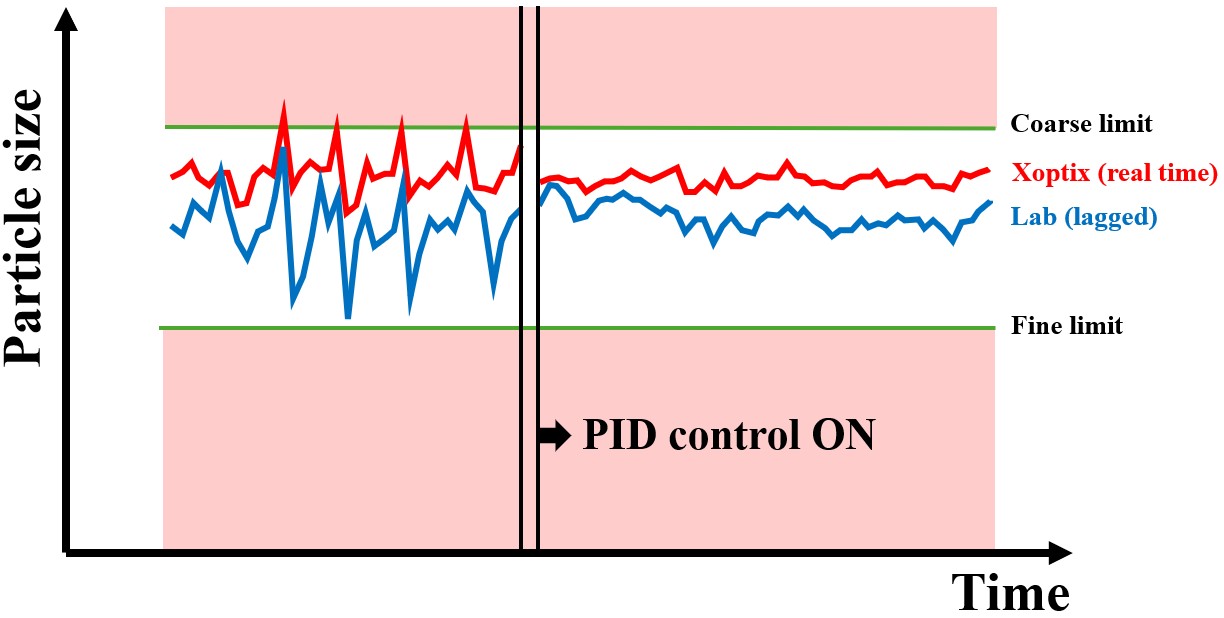
Many cement producers realise substantial operational benefits through improved combustion stability, reduced fuel variability, lower grinding energy consumption, increased mill throughput, and reduced laboratory workload. Additional gains are often achieved through improved kiln thermal efficiency and more stable clinker production.

The combination of continuous PSD measurement, improved process visibility, and advanced automation support helps cement plants achieve more consistent fuel quality, enhanced kiln performance, lower operating costs, improved energy efficiency, and greater confidence in day-to-day operation of the coal grinding circuit.
Jiayuguan Qilian Mountain Cement is saying:
Thanks to the reliable online monitoring capability of this instrument, our company has successfully reduced the frequency of manual coal powder sampling by approximately 70%. This not only lowers labor input but also avoids quality variations due to delayed detection. The stability of the production line has improved significantly, and the qualification rate of coal powder fineness has increased steadily, creating favorable conditions for the subsequent clinker calcination process and ultimately contributing to more consistent and stable cement product quality.
Huizhou Tapai Cement Co is saying:
By adopting this online monitoring system, our company has reduced the frequency of manual testing in the coal powder process by approximately 60%, not only lowering labor intensity but also fundamentally improving the timeliness and consistency of quality control. Production line stability has significantly improved, with coal powder fineness fluctuation range narrowed by over 35%, providing favorable conditions for stable kiln calcination and thereby ensuring consistent and reliable cement product performance.