
Sample Conveying
Sample conveying
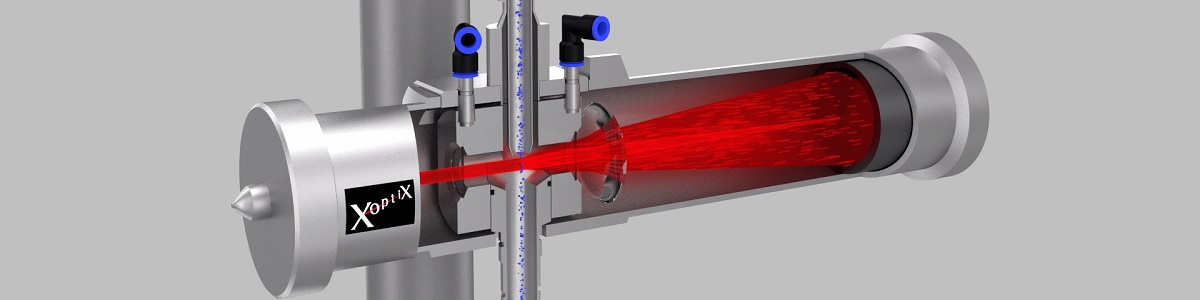
Sample conveying is a critical part of every online particle size measurement system. Once material has been extracted from the process, it must be transported reliably from the sampler to the particle sizer and then either returned back to the process or sent to waste. If conveying becomes unstable or blocked, the analyser no longer receives a representative sample, making even the most advanced PSD measurement meaningless. Reliable conveying is therefore essential for stable long-term operation.
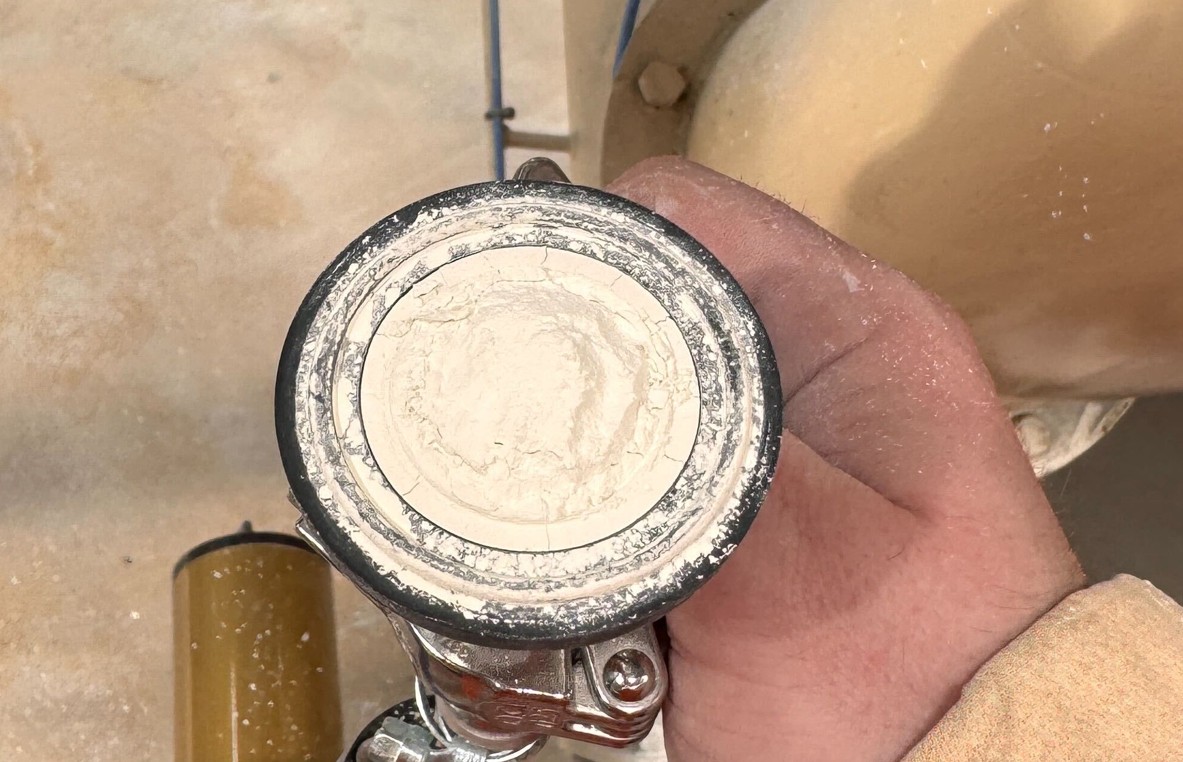
Despite its importance, sample conveying is often underestimated during system design. Industrial powders can behave unpredictably depending on humidity, particle size, adhesion, electrostatic charging, temperature, or process conditions. Careful engineering is required to ensure continuous stable transport without buildup, segregation, plugging, or changes to the particle size distribution during conveying.
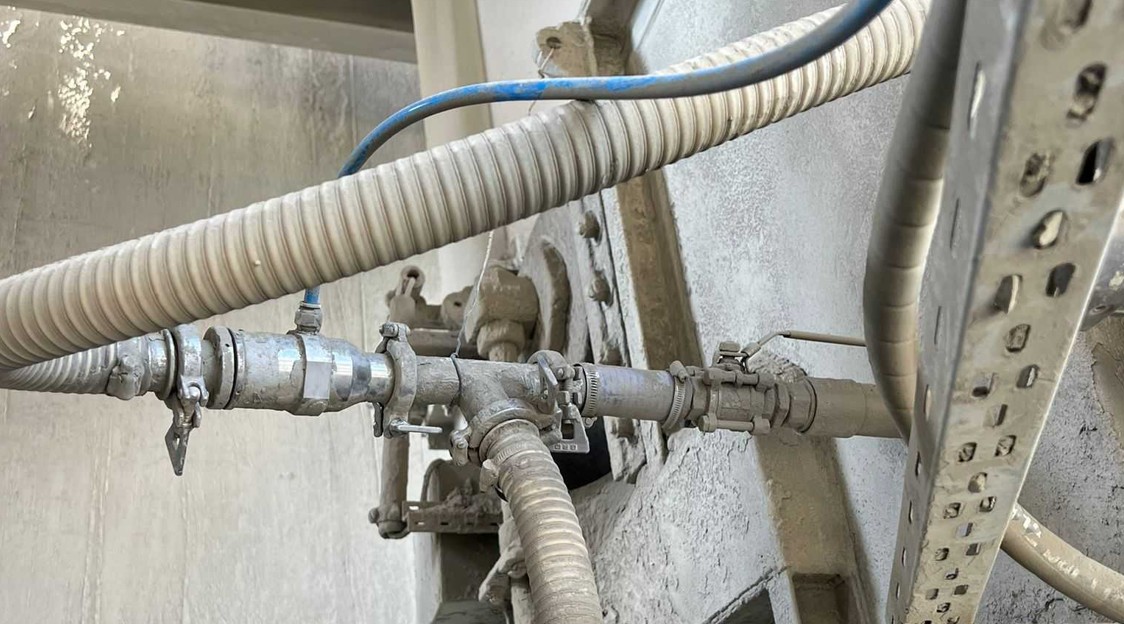
In practice, the performance of the complete system matters more than the performance of any individual component. A properly designed conveying system must continue operating reliably even when process conditions change, including variations in pressure, material flowrate, temperature, or process stability. The entire sampling, transport, and measurement chain must remain robust under real industrial operating conditions.
Modern online PSD systems must also fully support plant automation. Sample transport systems can automatically start and stop together with the process equipment and can be integrated with isolating valves, diverters, purge systems, and programmable cleaning sequences. This allows seamless integration into automated industrial operations and unmanned process control strategies.
Depending on the application, the measured sample can either be returned back into the production process or safely disposed of after measurement. In industries such as cement, minerals, or coal grinding, returning the sample back to the process minimizes material loss and improves sustainability. In other industries such as food, pharmaceuticals, or specialty chemicals, hygienic or contamination considerations may require the sample to be discharged into a waste bin after analysis.
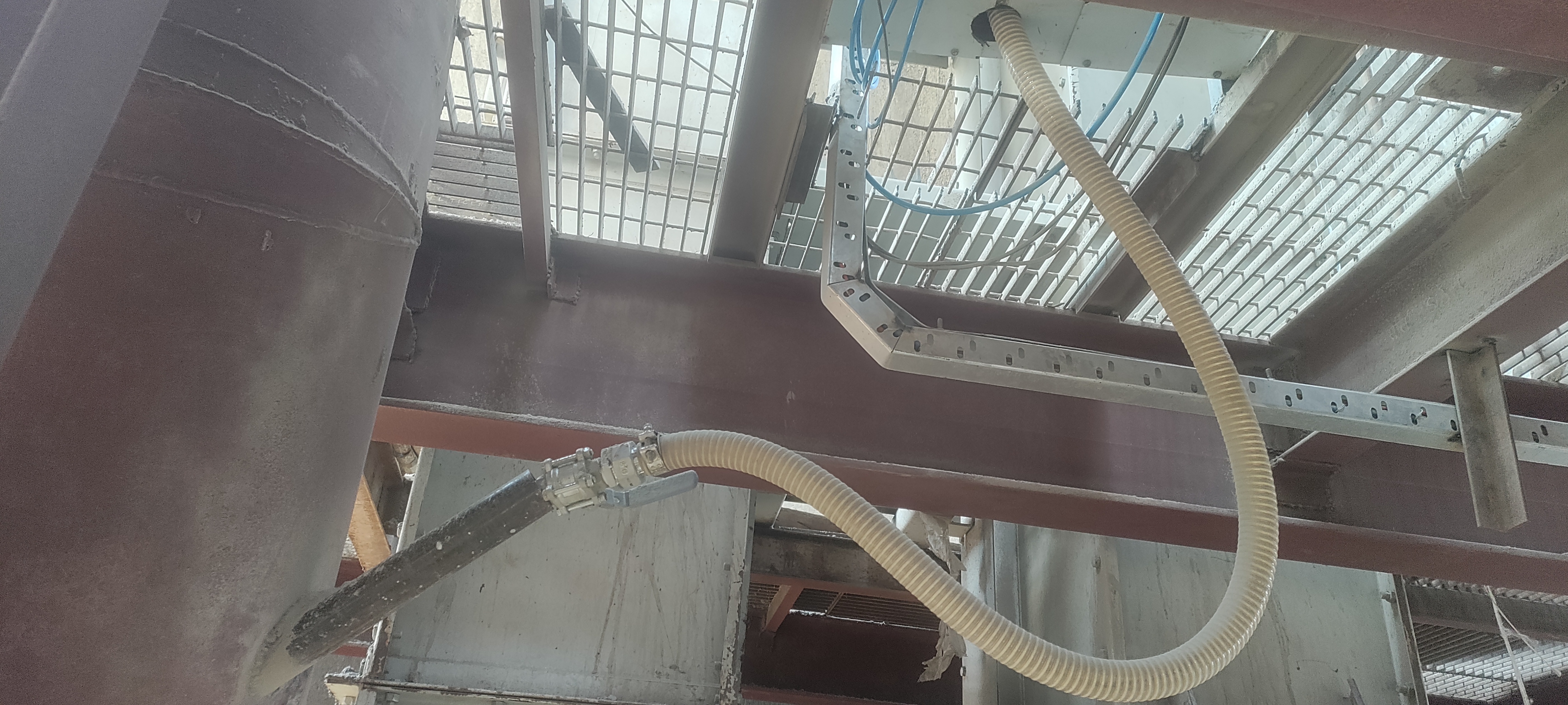
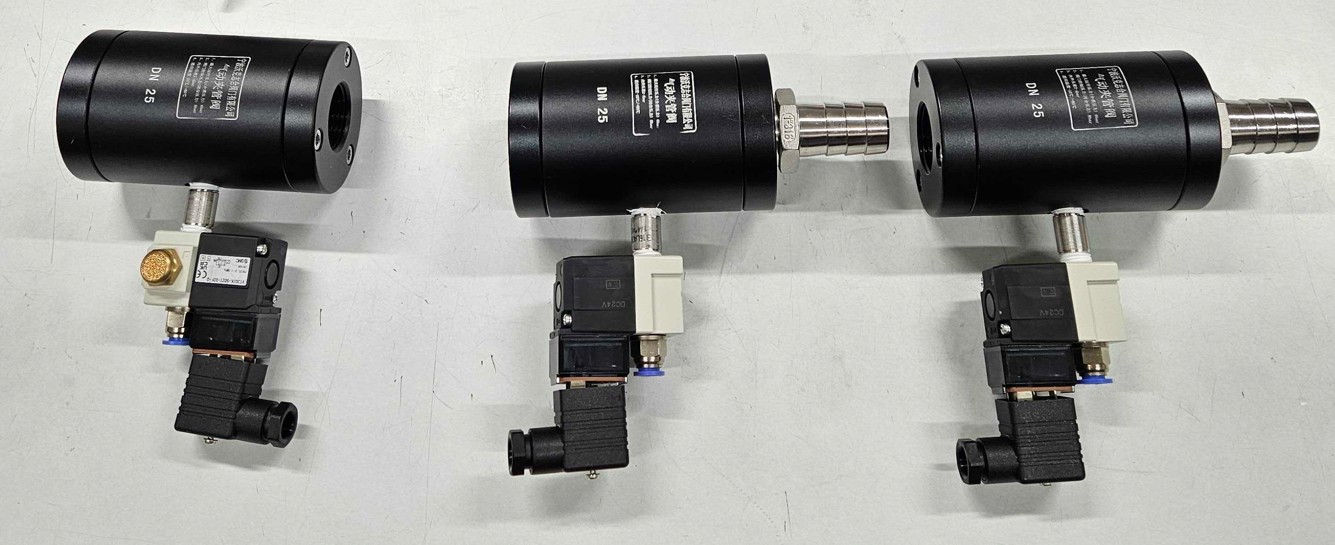
Conveying systems can also support flexible installation distances between the sampler and the particle sizer. This allows the analyser to be located in a safer, cleaner, or more accessible area while the sampling point remains directly on the process equipment. Material transport over these distances is commonly achieved using pneumatic eductors, which create stable conveying flow using compressed air.
Advanced conveying systems may also support multiple sampling locations within a single installation. Multi-spot systems allow material to be sequentially sampled from different points of the grinding circuit, such as mill inlet, separator reject, product stream, or classifier outlet. This provides significantly deeper process understanding and allows operators to analyse process behaviour throughout the complete grinding system.
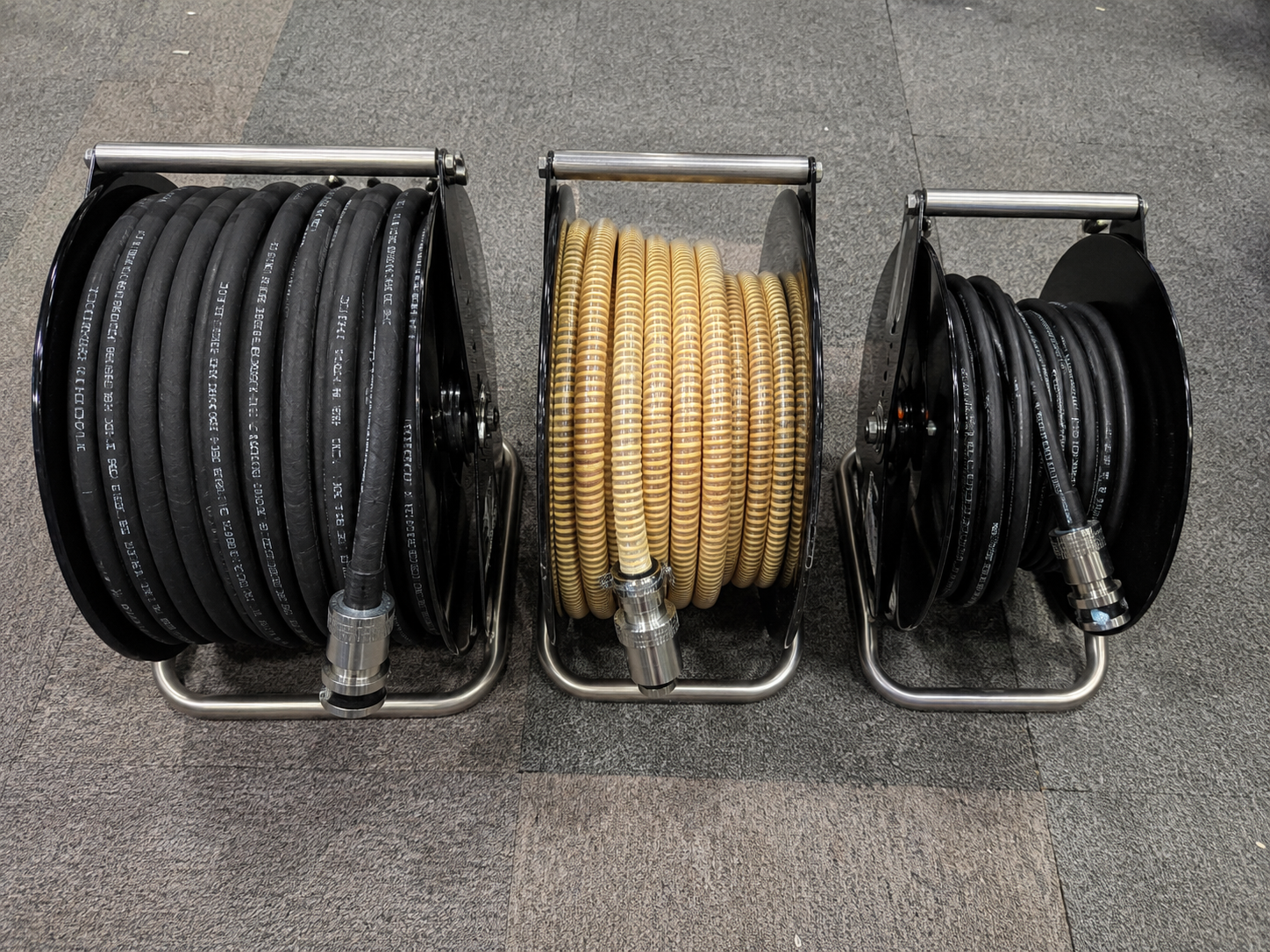
Materials, tubing, seals, and conveying connections can all be carefully selected according to the specific properties of the powder being handled. Abrasive materials may require ceramic or hardened components, sticky powders may require special anti-adhesion solutions, and electrostatically charged powders may require conductive materials and grounding strategies. Xoptix designs each system individually to ensure reliable long-term operation under the specific conditions of each application.
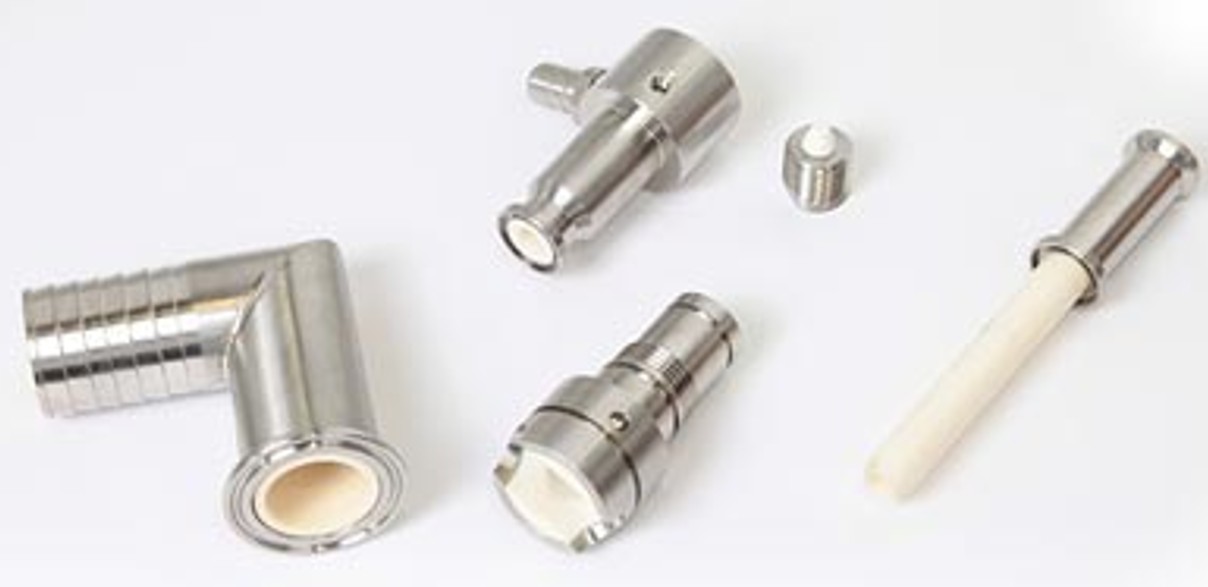
This level of system integration is only possible because dedicated and experienced powder handling engineers work within Xoptix. The company combines expertise in particle sizing, pneumatic conveying, industrial sampling, and powder process engineering to deliver complete online PSD solutions rather than standalone measurement instruments alone.